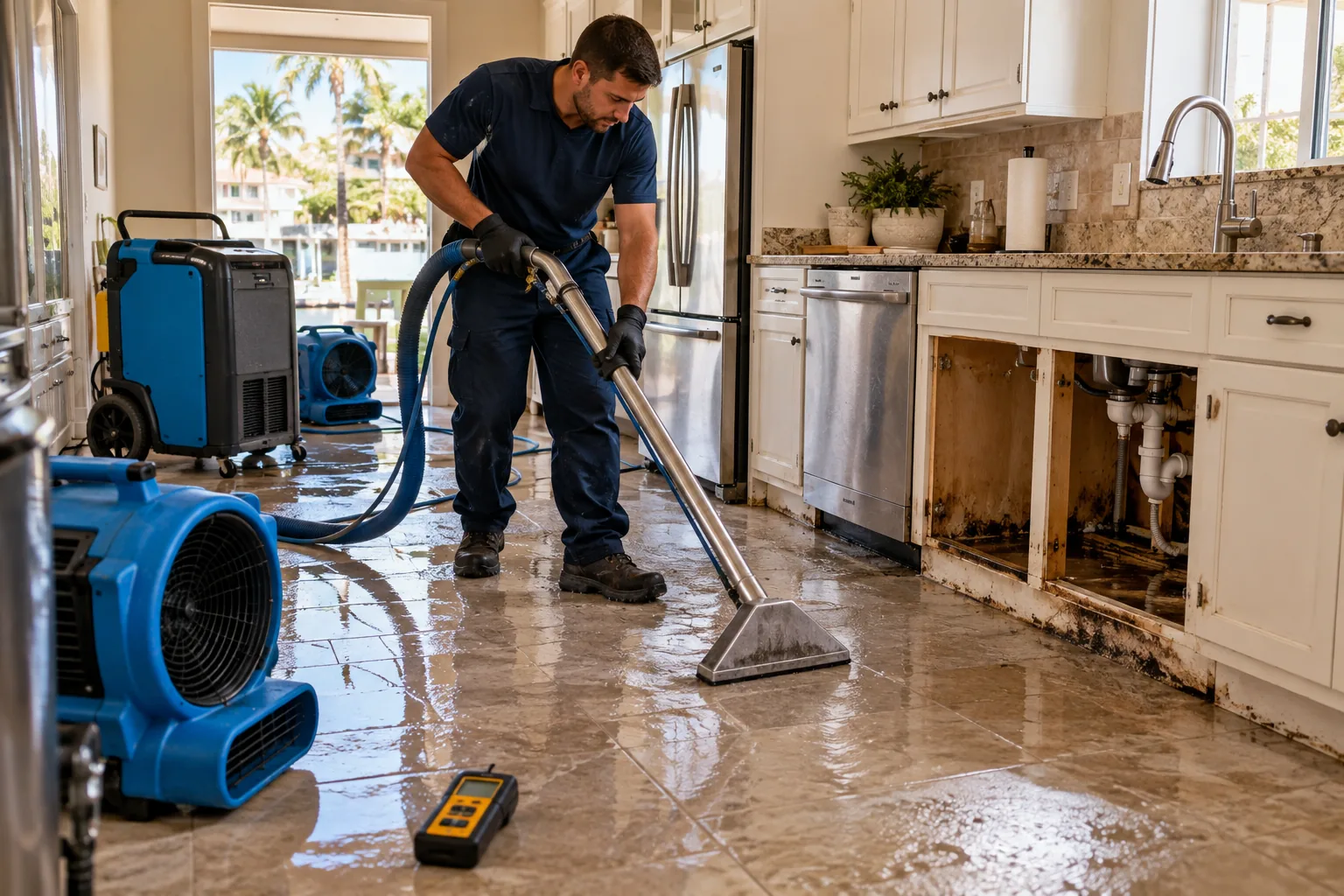
Fire Damage Restoration in Florida
Fire losses often combine heat, smoke, soot, odor and firefighting water. A structured assessment helps separate stabilization from cleanup and long-term repair.
Coverage entries describe the service-area directory and do not represent a physical office at every listed ZIP.
The work may include temporary protection, smoke and soot cleanup, contents assessment, odor reduction, moisture review, documentation and reconstruction planning.
A structured fire-loss response separates safety, stabilization, residue cleanup, contents decisions, odor work and reconstruction planning so the property owner can make informed next-step decisions. This page is organized around service intent, practical questions and the decisions property owners commonly face.
structure fires
Use the service page as the starting point, then move into the location page for the city and ZIP coverage that applies to the property.
kitchen fires
Use the service page as the starting point, then move into the location page for the city and ZIP coverage that applies to the property.
electrical fires
Use the service page as the starting point, then move into the location page for the city and ZIP coverage that applies to the property.
Common situations that deserve an organized response
Structure Fires
Document the condition safely, note what changed, and ask for a service assessment that matches the loss.
Kitchen Fires
Document the condition safely, note what changed, and ask for a service assessment that matches the loss.
Electrical Fires
Document the condition safely, note what changed, and ask for a service assessment that matches the loss.
Smoke Migration
Document the condition safely, note what changed, and ask for a service assessment that matches the loss.
Heavy Soot Deposition
Document the condition safely, note what changed, and ask for a service assessment that matches the loss.
Firefighting Water Exposure
Document the condition safely, note what changed, and ask for a service assessment that matches the loss.
Damaged Contents
Document the condition safely, note what changed, and ask for a service assessment that matches the loss.
Odor After A Fire
Document the condition safely, note what changed, and ask for a service assessment that matches the loss.
Commercial Fire Losses
Document the condition safely, note what changed, and ask for a service assessment that matches the loss.
Partial-Room Fire Damage
Document the condition safely, note what changed, and ask for a service assessment that matches the loss.
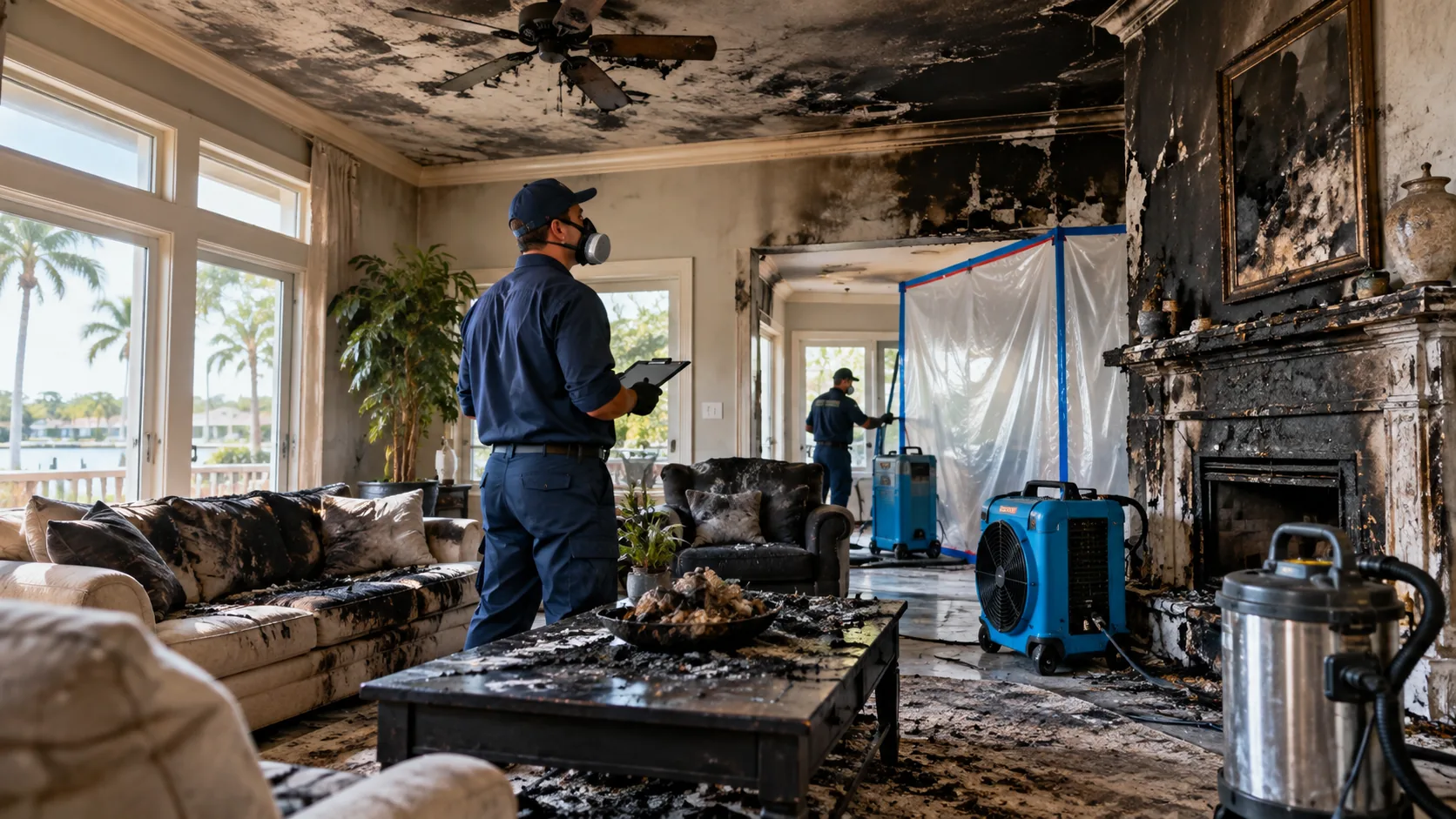
Before the restoration team arrives
Do not re-enter an unsafe fire-damaged area.
Keep the decision limited to what is safe and clearly observable.
Follow fire department or emergency instructions first.
Keep the decision limited to what is safe and clearly observable.
Avoid disturbing heavy soot or debris unnecessarily.
Keep the decision limited to what is safe and clearly observable.
Document visible conditions only from a safe location.
Keep the decision limited to what is safe and clearly observable.
Separate urgent temporary protection from long-term repair decisions.
Keep the decision limited to what is safe and clearly observable.
Ask for a documented assessment of smoke, soot, water and contents impacts.
Keep the decision limited to what is safe and clearly observable.
A service-specific restoration workflow
Emergency call and site safety
Scope the work from verified conditions, affected materials, access and the current state of the property.
Damage assessment and stabilization
Scope the work from verified conditions, affected materials, access and the current state of the property.
Smoke and soot residue control
Scope the work from verified conditions, affected materials, access and the current state of the property.
Contents assessment and cleaning coordination
Scope the work from verified conditions, affected materials, access and the current state of the property.
Cleaning, odor work and moisture review
Scope the work from verified conditions, affected materials, access and the current state of the property.
Repairs/reconstruction planning and documentation
Scope the work from verified conditions, affected materials, access and the current state of the property.
Homes, rentals, multifamily and commercial spaces
Single-family homes
The work plan follows the affected space, occupants, access and property use.
Condos and townhomes
The work plan follows the affected space, occupants, access and property use.
Apartments and multifamily properties
The work plan follows the affected space, occupants, access and property use.
Rental and vacation properties
The work plan follows the affected space, occupants, access and property use.
HOA-managed communities
The work plan follows the affected space, occupants, access and property use.
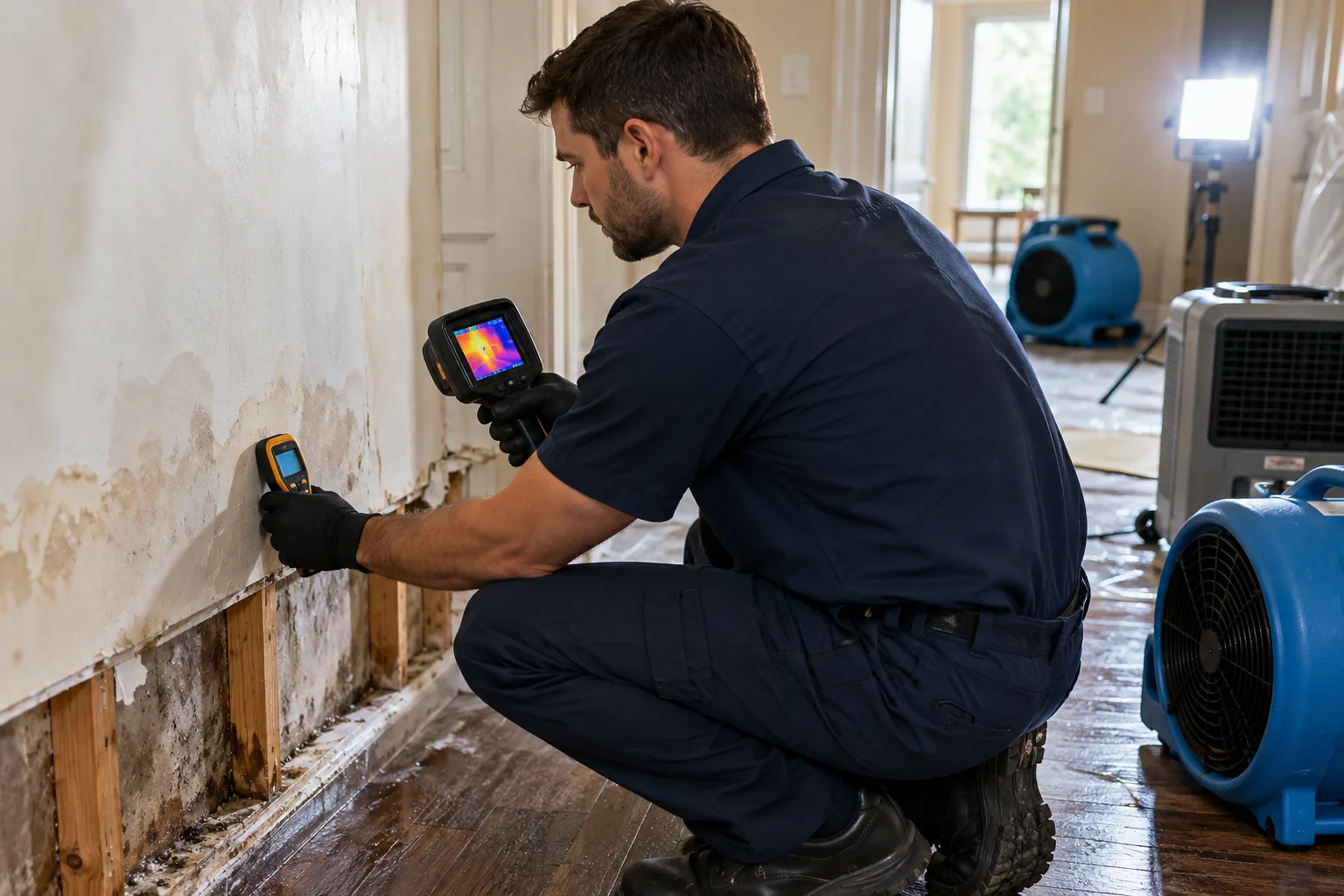
Keep a clear record of what changed.
A useful restoration record can include incident timing, photos, affected areas, temporary protection, service notes and progress information. Insurance coverage and claim decisions remain with the carrier.
Documentation supportFire Damage Restoration FAQs
What should I do after a fire?
Follow emergency and fire-department instructions first. Do not enter unsafe areas, disturb heavy soot unnecessarily, or begin risky cleanup. Once the property is safe to access, document conditions and arrange a structured assessment.
Does firefighting water cause additional damage?
It can. A fire loss may include water and moisture impacts in addition to heat, smoke and soot. Those conditions should be documented and managed as part of the overall loss assessment.
Can smoke damage travel beyond the burned room?
Yes. Smoke and fine residues can migrate through a property depending on the event, building layout and air movement. Adjacent rooms may require evaluation even when they were not directly burned.
What happens to damaged belongings?
Contents may be assessed for condition, cleaning potential, odor, structural impact and other factors. Pack-out and storage decisions should be documented rather than made from a quick visual guess.
How is fire restoration documented?
A thorough record may include photos, affected areas, soot and smoke observations, moisture conditions, contents notes, stabilization work and the scope of cleaning or repair.
How much does fire damage restoration cost in Florida?
Soot and smoke cleanup alone: $4–$10 per square foot. Full residential restoration: $15,000–$60,000+ depending on fire size, soot type, firefighting water damage, and rebuild scope.
Can smoke odor be completely removed?
Yes, with proper deodorization — thermal fogging, ozone or hydroxyl generators, and duct cleaning address odor at the molecular level. If odor persists after professional treatment, sealed or removed materials are usually the remaining source.
How long does fire damage restoration take?
Smoke cleanup of a contained fire: 1–2 weeks. Full structural fire restoration with rebuild: 2–6 months. Contents cleaning and insurance coordination run in parallel.
Will homeowners insurance cover fire damage?
Fire is a standard covered peril in Florida, including smoke, soot, and firefighting water damage. Document everything and don’t discard damaged items before the adjuster sees them.
Can I stay in my house after a fire?
Usually not until safety, air quality, and utilities are verified. Soot is acidic and corrosive; smoke residues are respiratory irritants. Your policy’s loss-of-use coverage helps with temporary housing.
What’s the difference between dry, wet, and protein soot?
Dry soot (fast-burning wood/paper) is powdery and easier to clean. Wet soot (smoldering plastics/rubber) is sticky and smears. Protein soot (kitchen grease fires) is nearly invisible, coats everything, and produces the strongest odor — it needs specialized treatment.
Need help with fire damage restoration?
Use the city pages for a more specific local path, or call the emergency line directly.
Call (833) 606-6010What Affects Fire Damage Restoration Cost in Florida?
Full fire damage restoration in Florida typically costs $15,000 to $60,000+ for a moderate residential fire. Soot and smoke cleanup alone runs $4–$10 per square foot; the range widens with structural char, water damage from firefighting, contents handling, and rebuild scope.
Fire size & type
A contained kitchen grease fire is cleanup and odor work. A whole-room structural fire means char removal, possible reframing, and full rebuild of finishes.
Soot type
Dry soot (wood/paper) cleans relatively easily. Wet soot (smoldering plastics) smears and stains. Protein soot (kitchen fires) is nearly invisible but the hardest odor to remove. Fuel-oil soot is the most aggressive.
Firefighting water damage
Every structure fire includes a water loss — hundreds of gallons pumped in. The water mitigation scope (extraction, drying, mold prevention) is often half the total project.
Contents & pack-out
Cleaning, deodorizing, and storing salvageable belongings — or documenting total losses — is a major labor track, especially in furnished homes.
How Fire Damage Restoration Works, Step by Step
Fire restoration is multi-peril work — fire, smoke, soot, water, and odor — sequenced so each phase doesn’t contaminate the next. The IICRC S700 standard governs the approach.
1. Emergency board-up & safety
The structure is secured — board-up of broken windows and doors, roof tarping if needed. Structural safety and electrical hazards are assessed before anyone works inside.
2. Water extraction & drying
Firefighting water is extracted and the structure dried per IICRC S500. Wet soot plus standing water is corrosive — speed limits secondary damage.
3. Soot & debris removal
Charred debris is removed; soot is cleaned by type — dry soot with HEPA vacuuming and dry sponges, wet/protein soot with specialized cleaning agents. Wrong method smears it permanently.
4. Deodorization
Odor is attacked at the molecular level: thermal fogging, ozone or hydroxyl treatment, and HVAC duct cleaning. Surface masking isn’t deodorization.
5. Contents handling & rebuild
Salvageable contents are cleaned (including ultrasonic cleaning for hard items), stored, and returned; unsalvageable items are documented for the claim. Then structural repairs and refinishing.
Fire Damage Restoration in Florida: Heat, Humidity & Hurricanes
Florida fire restoration has local twists. Humidity accelerates soot corrosion — acidic soot residues etch metals, glass, and finishes faster in moist air, so the cleaning clock runs shorter here. Lightning is a leading Florida fire cause (the state leads the nation in strikes). And in South Florida’s condo towers, a single unit’s fire becomes a multi-unit smoke and water event with HOA master-policy layers.
Wildfire smoke is a growing Florida peril too — Panhandle and Central Florida wildland-urban interface fires send smoke into homes miles away, a covered peril under most policies. Document smoke infiltration with photos even when there’s no flame damage; soot and odor remediation is claimable.
Emergency
Active fire damage restoration in Florida? Call (833) 606-6010 now — fast response limits secondary damage.
Related Restoration Services
Damage rarely involves just one trade. These services commonly connect to fire damage restoration projects.