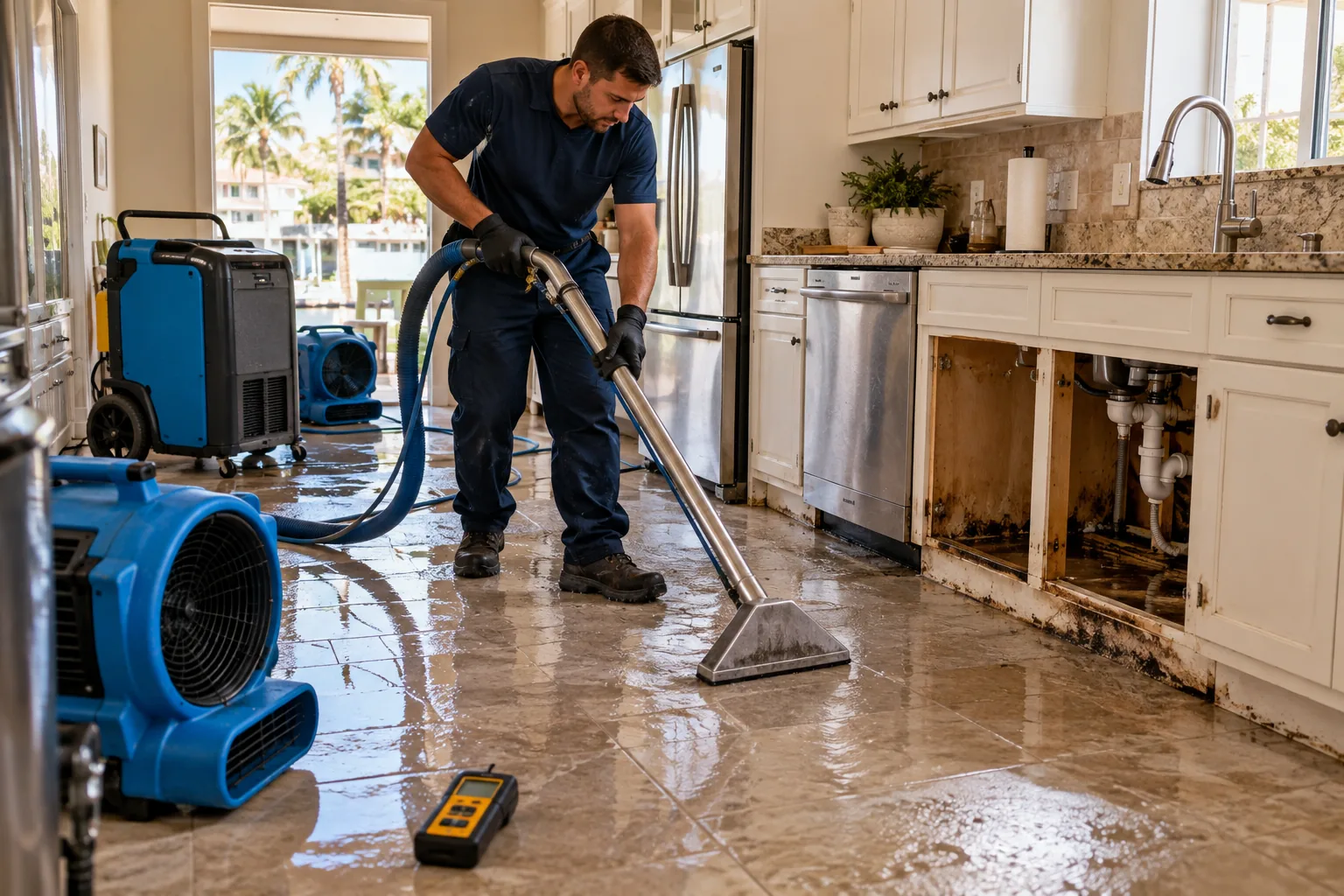
Insurance Documentation Support in Florida
Organized photos, damage notes, mitigation records and scope details to support claim conversations.
Coverage entries describe the service-area directory and do not represent a physical office at every listed ZIP.
Common situations connected to insurance documentation support
This page explains the service in plain language, connects it to related restoration work and provides a path to the city-level service pages where that coverage exists.
Damage Photographs
The response should follow the source, material condition, access and safety considerations.
Room-By-Room Notes
The response should follow the source, material condition, access and safety considerations.
Mitigation Records
The response should follow the source, material condition, access and safety considerations.
Drying Logs
The response should follow the source, material condition, access and safety considerations.
Temporary Protection
The response should follow the source, material condition, access and safety considerations.
Scope Details
The response should follow the source, material condition, access and safety considerations.
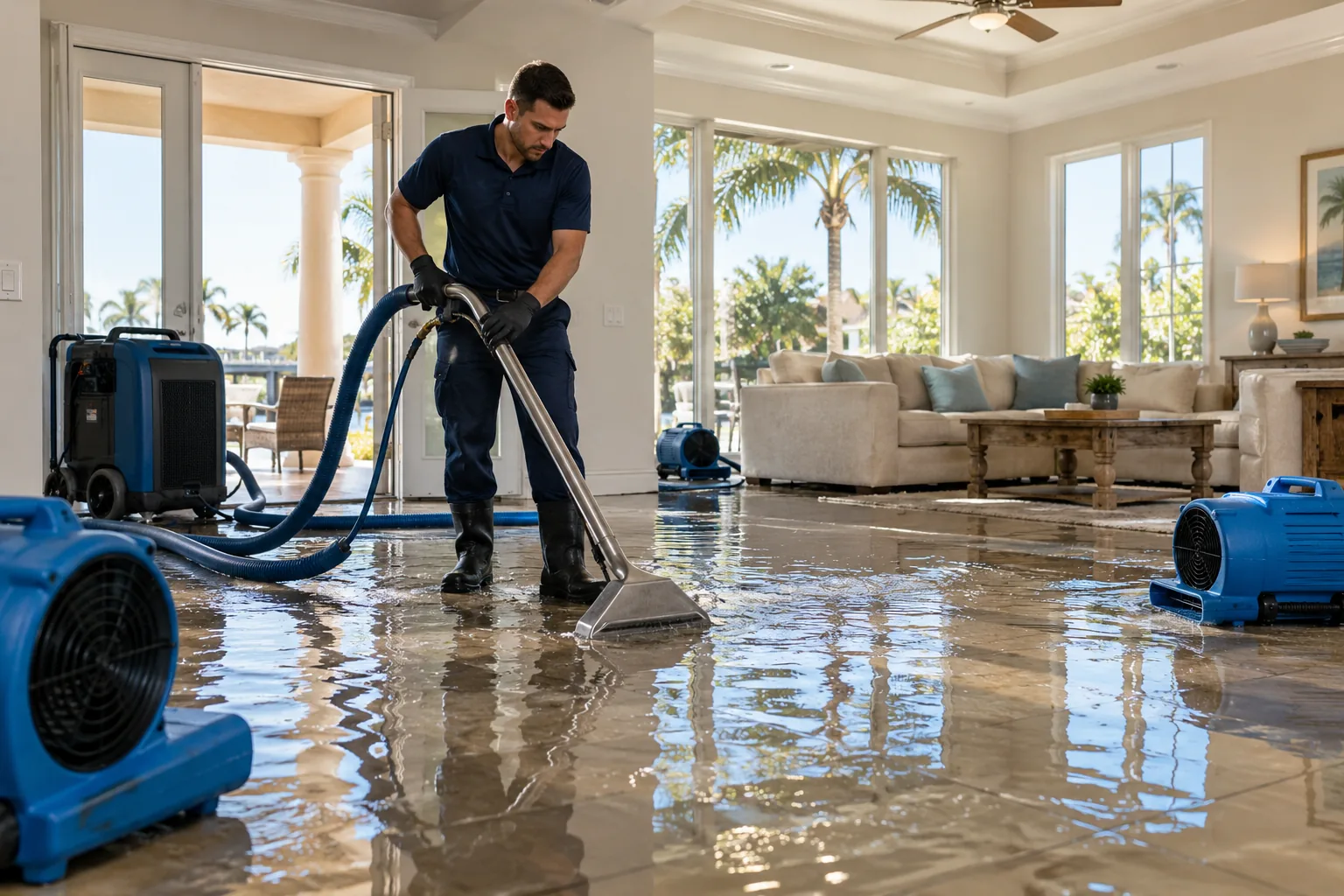
Use the supporting service to solve the actual problem, not just the visible symptom.
Organized photos, damage notes, mitigation records and scope details to support claim conversations. A useful work plan considers what caused the condition, which materials are affected, what needs to be protected, and what documentation is needed before the next stage.
A practical insurance documentation support workflow
Initial call and scope review
The work scope should be based on verified conditions and the requirements of the property.
Safety and access assessment
The work scope should be based on verified conditions and the requirements of the property.
Service-specific work
The work scope should be based on verified conditions and the requirements of the property.
Documentation and progress checks
The work scope should be based on verified conditions and the requirements of the property.
Related restoration review
The work scope should be based on verified conditions and the requirements of the property.
Next-step planning
The work scope should be based on verified conditions and the requirements of the property.
How insurance documentation support can connect to broader restoration
Water Damage Restoration
Water extraction, cleanup, moisture assessment, structural drying and restoration planning for homes and businesses.
Fire Damage Restoration
Fire, smoke and soot cleanup with property stabilization, contents coordination, odor control and restoration planning.
Storm Damage Restoration
Storm and hurricane damage response for roof intrusion, wind damage, flooding, debris and temporary property protection.
Biohazard Cleanup
Professional biohazard cleanup, containment, decontamination and sanitation for sensitive property situations.
What Affects Insurance Documentation Cost in Florida?
Professional claim documentation is typically included in the mitigation scope — not a separate charge. Its value is in what it recovers: well-documented claims settle faster and more completely. Independent documentation assistance (public adjusters) typically charges 10–20% of the claim settlement.
Photo & video evidence
Timestamped, comprehensive visual documentation of all damage before, during, and after mitigation — the foundation of every claim.
Moisture & drying logs
Meter readings, thermal images, and daily drying logs prove the water loss was real, the drying was necessary, and the scope was appropriate.
Scope & line-item estimates
Detailed scopes with line-item pricing (Xactimate-format where applicable) give adjusters something approvable — vague estimates get cut.
Inventories & receipts
Contents inventories with condition photos, emergency mitigation receipts, and additional-living-expense records complete the financial picture.
How Insurance Documentation Works, Step by Step
Claim documentation is a parallel track that runs from the first hour: capture everything, organize it, and present it in the adjuster’s language.
1. First-hour capture
Before anything is moved or cleaned: wide and close photos/video of all damage, water lines, entry points, and affected contents — timestamped. This is the most valuable documentation of the entire claim.
2. Mitigation documentation
Every mitigation step is logged: extraction volumes, equipment placed, moisture readings, drying logs, materials removed. This proves the emergency work was necessary and reasonable.
3. Scope & estimate package
A detailed written scope with line-item pricing, mapped to the documented damage. Photos are cross-referenced to scope lines.
4. Contents & expense records
Inventoried contents with pre-loss values where available; all receipts for emergency services, temporary housing, and meals (loss of use).
5. Adjuster presentation & supplements
The package is presented to the adjuster in organized form. As demolition reveals hidden damage, supplements are filed with fresh documentation — the process repeats until closeout.
Insurance Documentation in Florida: The Rules Are Different Here
Florida’s insurance landscape makes documentation a survival skill: percentage hurricane deductibles, the 1-year hurricane filing window, flood-vs-wind peril classification, mold coverage caps, Assignment of Benefits reform, and an insurer market that rewards precise claims and punishes vague ones. In this environment, the property owner with the best documentation usually gets the best outcome.
Florida-specific documentation musts: photograph pre-storm condition every hurricane season; distinguish wind-driven rain from rising water with entry-point photos and timing notes; keep every emergency mitigation receipt (tarping, board-up, extraction); log all insurer communications in writing; and never discard damaged items or sign releases before the adjuster’s inspection is complete and documented.
Emergency
Active insurance documentation in Florida? Call (833) 606-6010 now — fast response limits secondary damage.
Insurance Documentation Support questions
When is insurance documentation support needed?
The answer depends on the loss, affected materials and current site conditions. A property-specific assessment is more reliable than a one-size-fits-all checklist.
What does insurance documentation support involve?
Organized photos, damage notes, mitigation records and scope details to support claim conversations. The exact scope should follow the actual property conditions.
How does insurance documentation support connect to other restoration work?
Supporting services are often connected to a broader loss. For example, water extraction may lead into structural drying, while storm damage may lead into tarping and interior water mitigation.
What documentation does an insurance claim need?
Timestamped photos/video of all damage, moisture and drying logs, a detailed line-item scope and estimate, contents inventory, emergency mitigation receipts, and a written log of all insurer communications.
How do I document water damage for insurance in Florida?
Photograph everything before moving or cleaning anything — water lines, entry points, affected materials and contents. Get professional moisture mapping and drying logs. Note whether water was sudden vs. gradual, and wind-driven vs. rising — coverage hinges on these distinctions.
What is a supplement and when do I need one?
A supplemental claim for damage discovered after the initial adjuster visit — most commonly hidden water, mold, or structural damage found during demolition. File with fresh photos and line items; it’s a normal part of the process, not an adversarial move.
Should I hire a public adjuster in Florida?
For large or disputed claims, they can help — but understand the fee (typically 10–20% of settlement, capped by Florida law) and verify licensing. For straightforward claims, strong documentation plus your contractor’s scope package is often enough.
What mistakes hurt Florida insurance claims most?
Cleaning up before photographing; discarding damaged items pre-inspection; failing to distinguish wind vs. flood water; missing the 1-year hurricane filing window; signing Assignment of Benefits under pressure; and verbal-only communication with the insurer.
Related Restoration Services
Damage rarely involves just one trade. These services commonly connect to insurance documentation projects.