Practical Guide
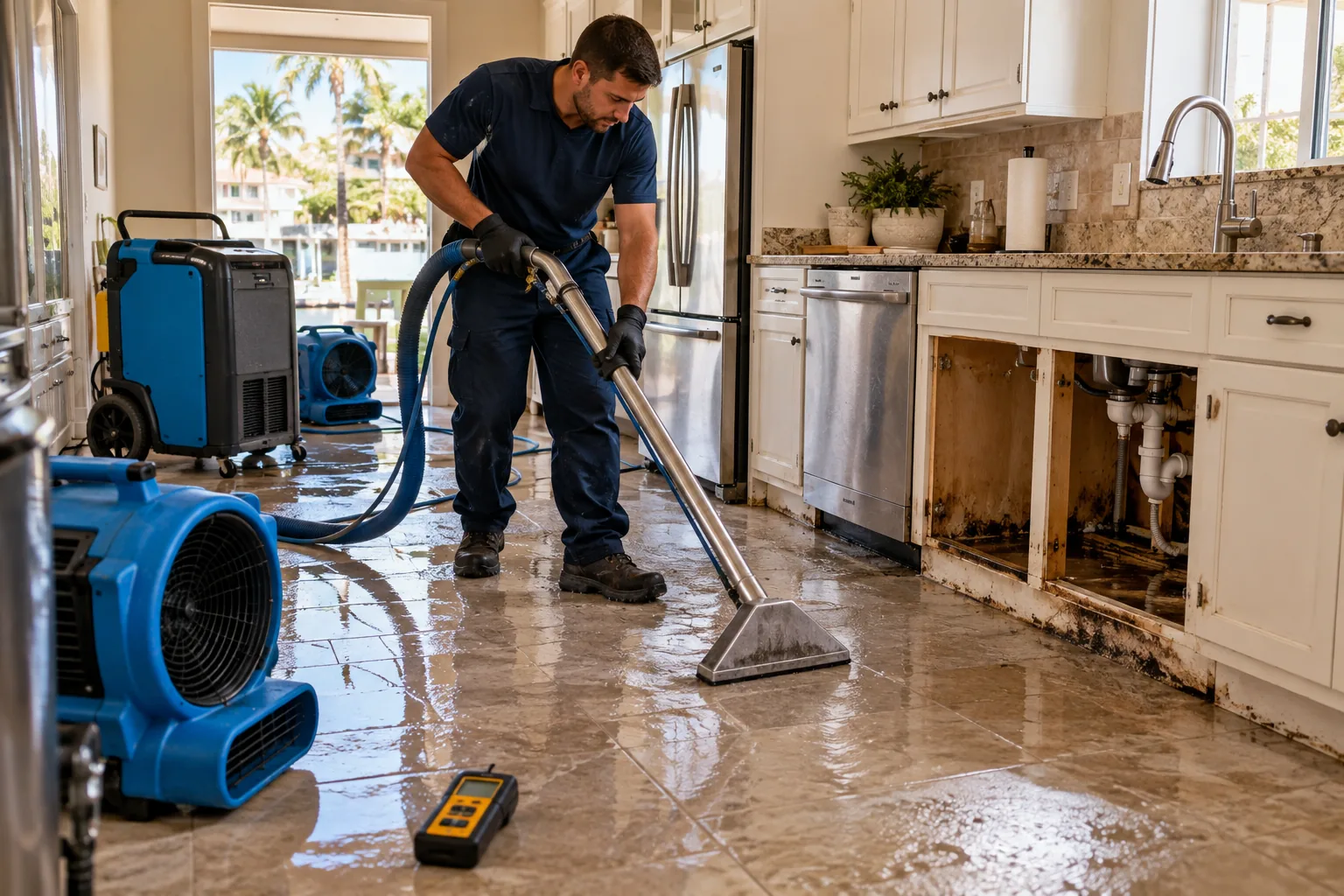
What to Do After a Burst Pipe
source control, electrical safety, documentation, extraction and drying.
Emergency LineCall when damage is active or changing.
Florida ZIP CoverageCity and ZIP service directory.
Water • Fire • Storm • BiohazardFour primary restoration pathways.
Documentation GuidanceKeep loss and project records organized.
Residential + CommercialProperty-specific service paths.
Public ResourcesFlorida, FEMA and preparedness links.
Coverage entries describe the service-area directory and do not represent a physical office at every listed ZIP.
Key points
Use the guide to make the next decision safer and clearer.
Restoration guidance should help you avoid avoidable mistakes, preserve useful documentation and understand what the professional service is designed to accomplish.
✓
Stay clear of wet electrical areas
This is a practical checkpoint, not a substitute for a site-specific assessment.
✓
Stop the water source only if safe
This is a practical checkpoint, not a substitute for a site-specific assessment.
✓
Document the affected areas
This is a practical checkpoint, not a substitute for a site-specific assessment.
✓
Avoid using household vacuums on large water amounts
This is a practical checkpoint, not a substitute for a site-specific assessment.
✓
Arrange extraction and drying when materials are affected
This is a practical checkpoint, not a substitute for a site-specific assessment.
✓
Keep a simple timeline of the event
This is a practical checkpoint, not a substitute for a site-specific assessment.

Why it matters
Property damage decisions should be based on conditions, not guesswork.
Source
Knowing what started the loss can influence the safest next action.
Materials
Different materials absorb, trap or shed moisture and residue differently.
Documentation
A clear record can support restoration planning and insurance conversations.