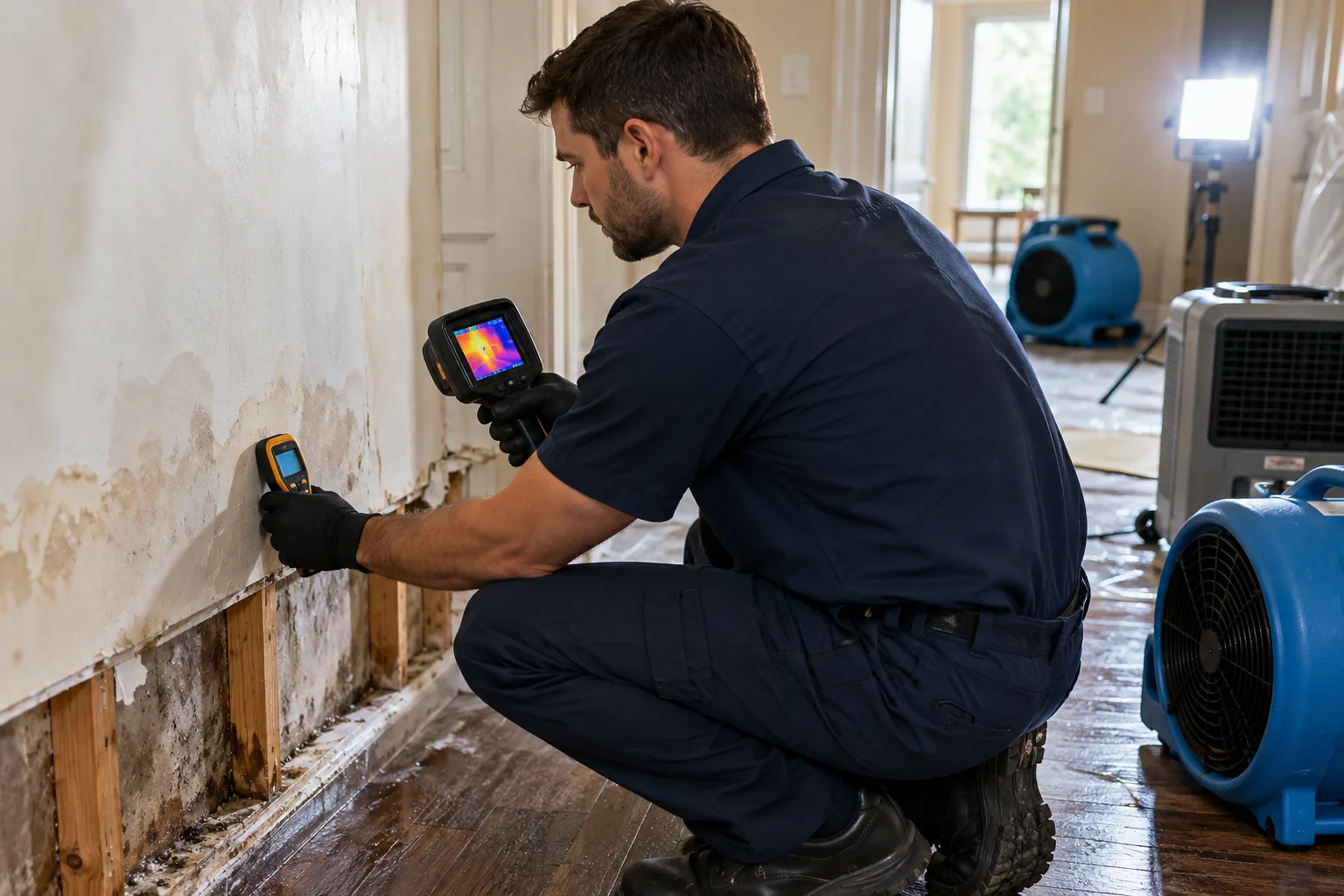
Storm Damage Restoration in Florida
Storm losses can affect roofs, openings, interiors, contents and building systems at the same time. Response starts with safety and temporary protection.
Coverage entries describe the service-area directory and do not represent a physical office at every listed ZIP.
The restoration path may include tarping, board-up, debris-related cleanup, water extraction, drying, documentation and repair planning based on actual site conditions.
A useful storm response creates a clear path from safety and temporary protection to water removal, drying, cleanup, documentation and longer-term repair planning. This page is organized around service intent, practical questions and the decisions property owners commonly face.
wind-damaged roofs
Use the service page as the starting point, then move into the location page for the city and ZIP coverage that applies to the property.
wind-driven rain
Use the service page as the starting point, then move into the location page for the city and ZIP coverage that applies to the property.
hurricane impacts
Use the service page as the starting point, then move into the location page for the city and ZIP coverage that applies to the property.
Common situations that deserve an organized response
Wind-Damaged Roofs
Document the condition safely, note what changed, and ask for a service assessment that matches the loss.
Wind-Driven Rain
Document the condition safely, note what changed, and ask for a service assessment that matches the loss.
Hurricane Impacts
Document the condition safely, note what changed, and ask for a service assessment that matches the loss.
Broken Windows Or Doors
Document the condition safely, note what changed, and ask for a service assessment that matches the loss.
Fallen Tree Impacts
Document the condition safely, note what changed, and ask for a service assessment that matches the loss.
Roof Openings
Document the condition safely, note what changed, and ask for a service assessment that matches the loss.
Interior Water Intrusion
Document the condition safely, note what changed, and ask for a service assessment that matches the loss.
Storm Debris
Document the condition safely, note what changed, and ask for a service assessment that matches the loss.
Flooding After Severe Weather
Document the condition safely, note what changed, and ask for a service assessment that matches the loss.
Secondary Moisture Damage
Document the condition safely, note what changed, and ask for a service assessment that matches the loss.
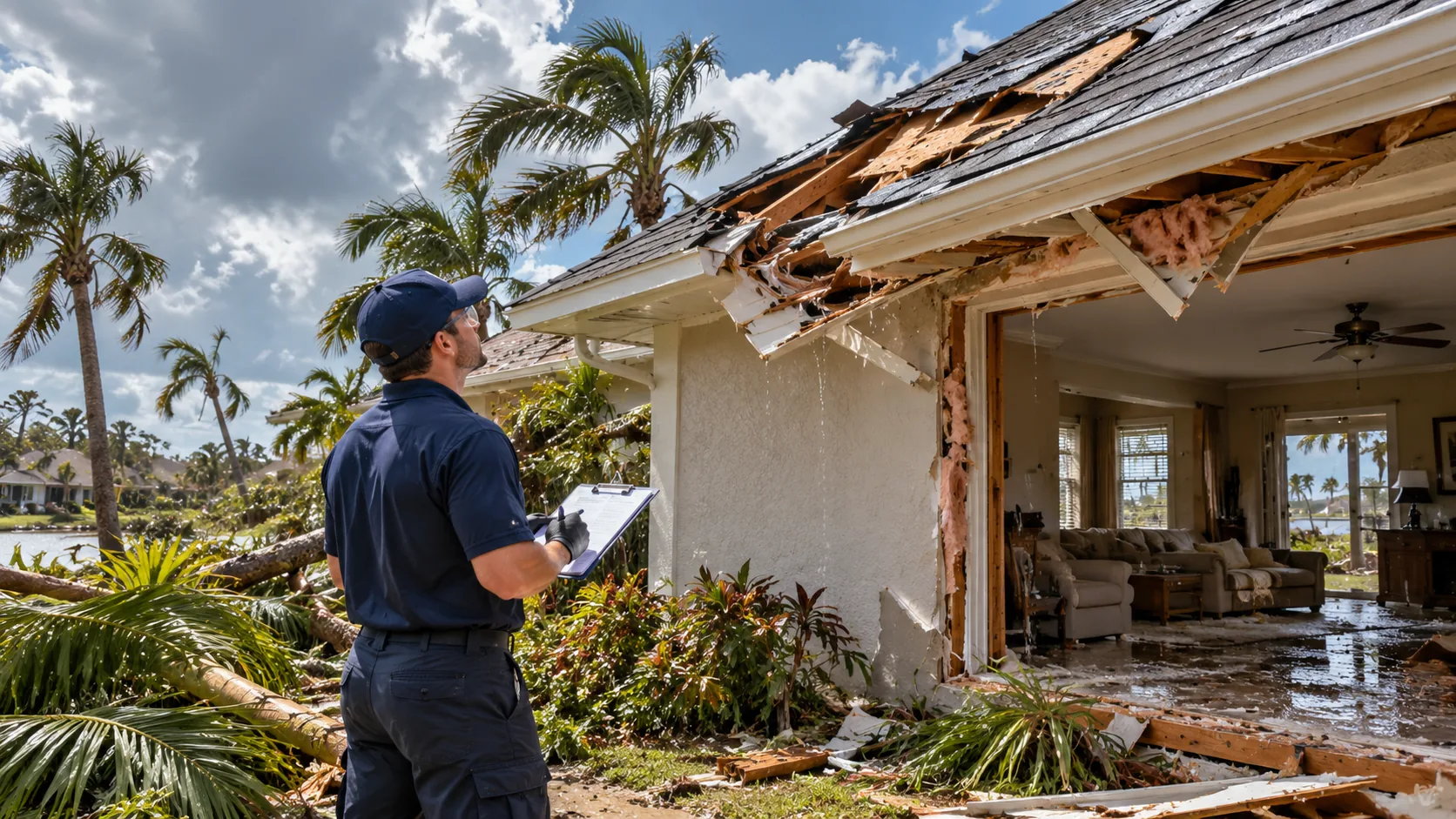
Before the restoration team arrives
Confirm the property is safe before entering.
Keep the decision limited to what is safe and clearly observable.
Avoid areas with damaged electrical systems or unstable structures.
Keep the decision limited to what is safe and clearly observable.
Document roof and interior damage from safe positions.
Keep the decision limited to what is safe and clearly observable.
Use temporary protection when the building envelope remains exposed.
Keep the decision limited to what is safe and clearly observable.
Keep water intrusion paths and affected rooms documented.
Keep the decision limited to what is safe and clearly observable.
Arrange a damage assessment that separates emergency mitigation from permanent repairs.
Keep the decision limited to what is safe and clearly observable.
A service-specific restoration workflow
Emergency call and safety review
Scope the work from verified conditions, affected materials, access and the current state of the property.
Roof/opening assessment and temporary protection
Scope the work from verified conditions, affected materials, access and the current state of the property.
Water extraction where needed
Scope the work from verified conditions, affected materials, access and the current state of the property.
Drying and moisture control
Scope the work from verified conditions, affected materials, access and the current state of the property.
Debris/contents cleanup and documentation
Scope the work from verified conditions, affected materials, access and the current state of the property.
Repair/reconstruction planning
Scope the work from verified conditions, affected materials, access and the current state of the property.
Homes, rentals, multifamily and commercial spaces
Single-family homes
The work plan follows the affected space, occupants, access and property use.
Condos and townhomes
The work plan follows the affected space, occupants, access and property use.
Apartments and multifamily properties
The work plan follows the affected space, occupants, access and property use.
Rental and vacation properties
The work plan follows the affected space, occupants, access and property use.
HOA-managed communities
The work plan follows the affected space, occupants, access and property use.

Keep a clear record of what changed.
A useful restoration record can include incident timing, photos, affected areas, temporary protection, service notes and progress information. Insurance coverage and claim decisions remain with the carrier.
Documentation supportStorm Damage Restoration FAQs
What should I do immediately after storm damage?
Make sure people are safe, avoid unstable areas, document visible damage from a safe location and arrange temporary protection if openings are allowing additional water or exposure.
Can roof damage cause interior water damage?
Yes. Missing or damaged roof materials, penetrations and exposed openings can allow rain to reach ceilings, insulation, walls and contents.
Is storm damage only about roofs?
No. Storm losses may include wind damage, broken openings, water intrusion, debris impacts, flooding and damage to contents or interior finishes.
What is roof tarping for?
Temporary tarping is intended to reduce additional weather exposure until a more permanent repair can be planned. It is not a substitute for a complete roof assessment or repair.
Should I wait until after the storm season to document damage?
No. Documenting conditions promptly can preserve a clearer record of what occurred and what temporary mitigation was necessary, provided it can be done safely.
What should I do first after storm damage in Florida?
Stay safe — downed lines, structural damage, and standing water are hazards. Photograph everything before cleanup, make emergency repairs (tarping, board-up) to prevent further damage, then call your insurer and a restoration company.
Does homeowners insurance cover hurricane damage in Florida?
Wind damage: yes, subject to your hurricane deductible. Flood/storm surge: no — separate flood insurance required. File within Florida’s 1-year hurricane claim window.
What is a hurricane deductible?
A separate, higher deductible for named-storm damage — set as a percentage (commonly 2–10%) of your dwelling coverage, not a flat dollar amount. On a $400,000 home with 5%, that’s $20,000 out of pocket before coverage starts.
How do I document storm damage for insurance?
Timestamped photos and video of every damaged area, inside and out; photos of water lines and entry points; keep damaged materials until the adjuster sees them; save all emergency-repair receipts. Note whether water was wind-driven or rising.
What if my storm damage claim is denied or underpaid?
Request the denial in writing, get an independent assessment, and consider a supplemental claim with additional documentation. Florida’s appraisal clause and public adjusters are options — understand fees before signing anything.
Need help with storm damage restoration?
Use the city pages for a more specific local path, or call the emergency line directly.
Call (833) 606-6010What Affects Storm Damage Restoration Cost in Florida?
Storm damage restoration in Florida typically costs $3,000 to $25,000+ for residential properties. The range is wide because “storm damage” bundles multiple perils: roof and envelope damage, wind-driven water intrusion, fallen-tree impact, and sometimes flood — each with its own scope and coverage rules.
Roof & envelope damage
Shingle/tile loss, torn soffits, broken windows and lanais — the exterior scope. Tile roof repairs cost more than shingle; structural decking damage more still.
Water intrusion extent
Wind-driven rain through breaches saturates insulation, drywall, and flooring. Multi-room intrusion with wall-cavity saturation is the expensive middle of most storm scopes.
Tree & debris impact
Fallen trees on structures add crane/tree-service costs plus structural repair. Debris removal alone can run into the thousands after major storms.
Flood vs. wind classification
Wind damage is claimed under homeowners; flood under separate flood insurance. Mixed events need careful documentation — the classification decides what gets paid.
How Storm Damage Restoration Works, Step by Step
Storm restoration is sequenced triage: secure the envelope, dry the interior, document the perils — then rebuild.
1. Emergency securing
Roof tarping, window/door board-up, and tree hazards addressed first. The building must be weather-tight before interior work begins.
2. Damage assessment & peril mapping
Every damage type is documented and classified: wind vs. water vs. flood. This classification drives both the scope and the insurance claim.
3. Water extraction & drying
Intrusion water is extracted; saturated assemblies are opened, and structural drying runs per IICRC S500 with full drying logs.
4. Debris & demolition
Storm debris, unsalvageable materials, and damaged exterior components are removed. Fallen-tree structural damage is stabilized.
5. Restoration & rebuild
Roofing, drywall, flooring, and finishes are restored; the documentation package — photos, moisture logs, peril classification — supports the claim and any supplement.
Storm Damage Restoration in Florida: Know Your Perils
Florida’s storm exposure is the nation’s highest: hurricanes, tropical storms, intense summer squalls, and the occasional tornado. The critical Florida skill is peril classification — wind-driven rain through a storm-damaged roof (homeowners claim, hurricane deductible applies) vs. storm surge or rising water (flood insurance only) vs. fallen-tree damage (usually covered, with debris-removal sublimits). Get the classification wrong and the claim dies.
Florida specifics that matter: the hurricane deductible (a percentage of dwelling coverage, per season — know yours before the storm), the 1-year claim filing window for hurricane damage, Assignment of Benefits reform (understand what you’re signing), and price-gouging protections during declared emergencies. Document everything with timestamps — adjusters decide coverage from your evidence.
Emergency
Active storm damage restoration in Florida? Call (833) 606-6010 now — fast response limits secondary damage.
Related Restoration Services
Damage rarely involves just one trade. These services commonly connect to storm damage restoration projects.