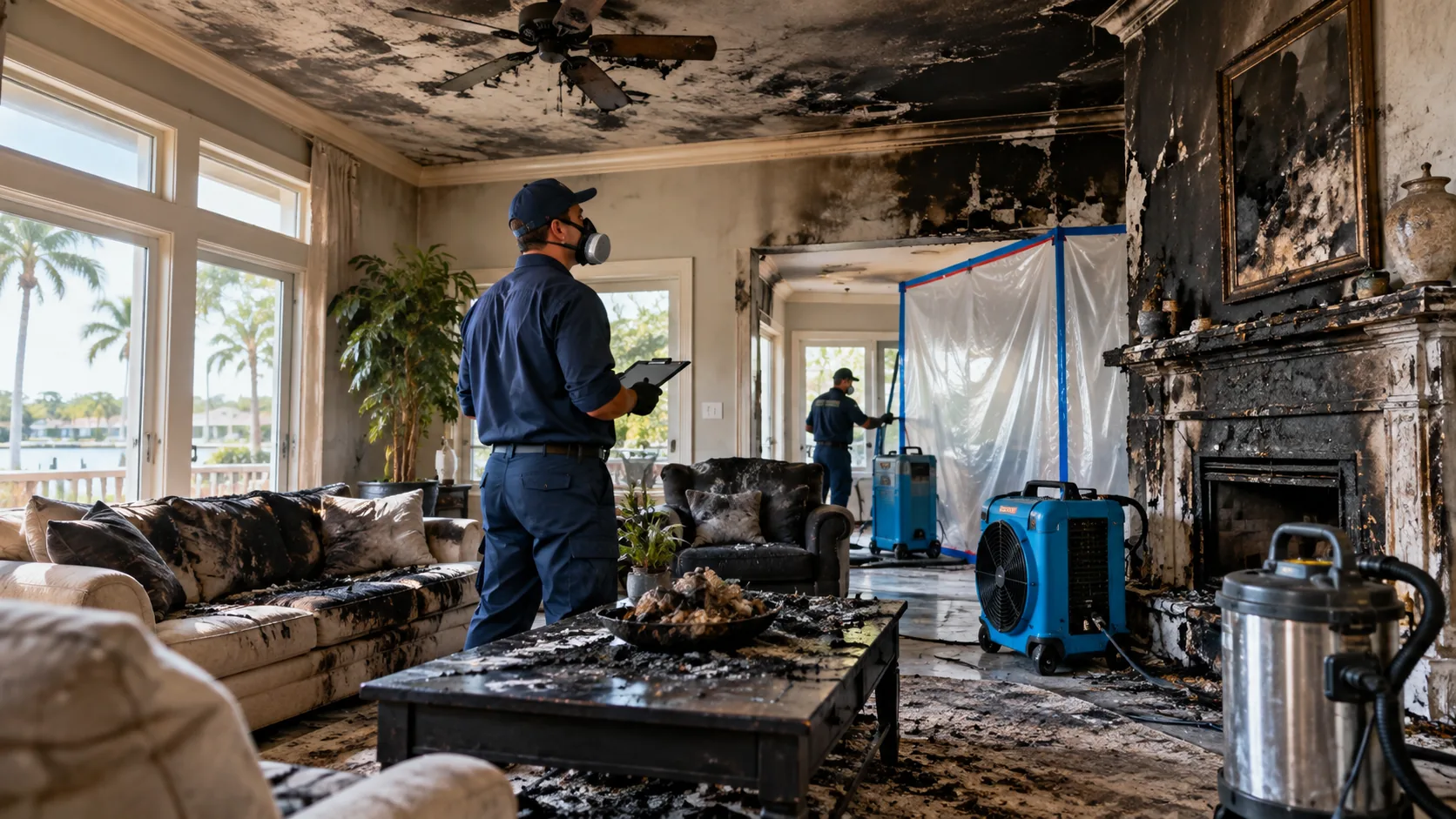
Water Extraction in Florida
Fast removal of standing water and saturated contents where appropriate.
Coverage entries describe the service-area directory and do not represent a physical office at every listed ZIP.
Common situations connected to water extraction
This page explains the service in plain language, connects it to related restoration work and provides a path to the city-level service pages where that coverage exists.
Standing Water
The response should follow the source, material condition, access and safety considerations.
Soaked Flooring
The response should follow the source, material condition, access and safety considerations.
Appliance Leaks
The response should follow the source, material condition, access and safety considerations.
Burst Pipe Water
The response should follow the source, material condition, access and safety considerations.
Storm Intrusion
The response should follow the source, material condition, access and safety considerations.
Accessible Water In Commercial Spaces
The response should follow the source, material condition, access and safety considerations.
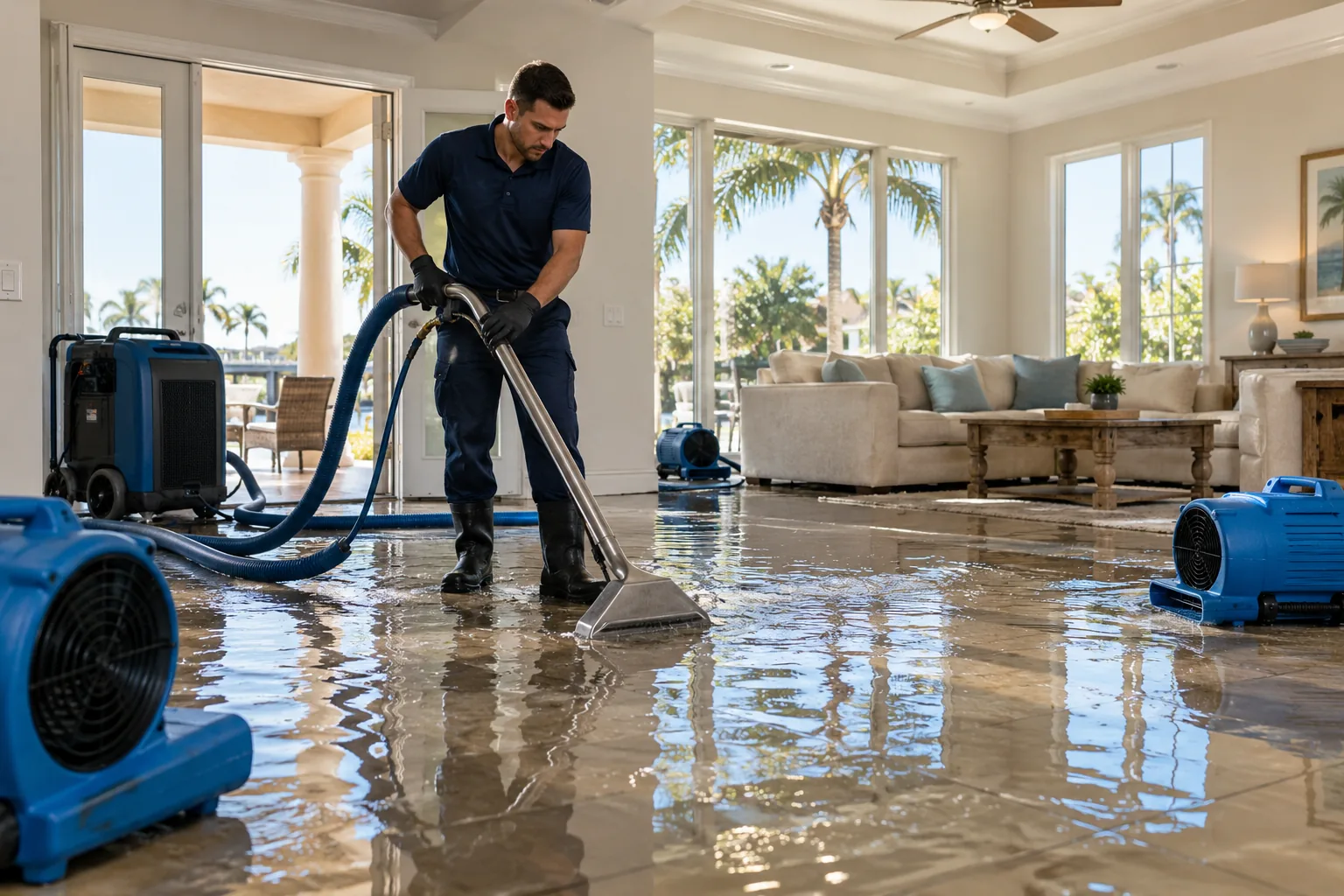
Use the supporting service to solve the actual problem, not just the visible symptom.
Fast removal of standing water and saturated contents where appropriate. A useful work plan considers what caused the condition, which materials are affected, what needs to be protected, and what documentation is needed before the next stage.
A practical water extraction workflow
Initial call and scope review
The work scope should be based on verified conditions and the requirements of the property.
Safety and access assessment
The work scope should be based on verified conditions and the requirements of the property.
Service-specific work
The work scope should be based on verified conditions and the requirements of the property.
Documentation and progress checks
The work scope should be based on verified conditions and the requirements of the property.
Related restoration review
The work scope should be based on verified conditions and the requirements of the property.
Next-step planning
The work scope should be based on verified conditions and the requirements of the property.
How water extraction can connect to broader restoration
Water Damage Restoration
Water extraction, cleanup, moisture assessment, structural drying and restoration planning for homes and businesses.
Fire Damage Restoration
Fire, smoke and soot cleanup with property stabilization, contents coordination, odor control and restoration planning.
Storm Damage Restoration
Storm and hurricane damage response for roof intrusion, wind damage, flooding, debris and temporary property protection.
Biohazard Cleanup
Professional biohazard cleanup, containment, decontamination and sanitation for sensitive property situations.
What Affects Water Extraction Cost in Florida?
Standalone emergency water extraction in Florida typically costs $250 to $1,200 depending on volume and access. It is almost always the first line item inside a larger water damage restoration scope ($1,300–$5,600), where extraction speed directly controls the drying bill that follows.
Water volume & depth
A failed supply line flooding one room extracts fast. Inches of standing water across a whole floor — or a flooded slab — needs truck-mounted extraction and far more labor.
Water category
Clean water extraction is straightforward. Gray or black water requires PPE, containment, and disposal protocols that add 30–60% to the extraction line.
Access & flooring
Open tile floors extract quickly. Water trapped under hardwood, laminate, or wall-to-wall carpet over pad takes specialized weighted extraction and more passes.
Response time
Same-day extraction usually means one visit. Water that sat for days has wicked into materials and often needs extraction plus immediate drying equipment — a bigger combined scope.
How Water Extraction Works, Step by Step
Extraction is the highest-leverage hour of any water loss. Done right, it removes the bulk of the water before it migrates.
1. Safety & source control
Electricity to wet areas is secured, the water source is stopped, and slip and contamination hazards are identified before equipment rolls in.
2. Standing water removal
Truck-mounted extractors — the most powerful option — pull standing water at high volume. Portable extractors handle upper floors and tight access where hoses can’t reach.
3. Weighted extraction on soft surfaces
Weighted extraction tools compress carpet and pad to squeeze out water that suction alone leaves behind. Pad that can’t be salvaged is removed — it acts as a sponge that re-wets everything.
4. Hard-surface squeegee & detail pass
Tile, concrete, and wood get squeegeed and detailed so no sheet of water remains to evaporate into the air and spike indoor humidity.
5. Moisture check & drying handoff
Meters confirm what’s left behind walls and under flooring. Extraction hands off to structural drying with a moisture map — never with a guess.
Water Extraction in Florida: Speed Beats Humidity
Florida’s humidity punishes slow extraction. Water left standing evaporates into already-saturated indoor air, pushing relative humidity toward 70–80% — prime conditions for mold within 24 to 48 hours. Fast, high-volume extraction keeps that moisture from ever becoming airborne.
Common Florida extraction calls include AC condensate line failures (the state’s #1 hidden-leak source), water heater ruptures in garages, washing machine supply line bursts, slab leaks, and storm-driven intrusion through windows and sliding doors. If the water came from outside during a storm, document it as wind-driven rain — your insurer treats that differently from rising floodwater.
Emergency
Active water extraction in Florida? Call (833) 606-6010 now — fast response limits secondary damage.
Water Extraction questions
When is water extraction needed?
The answer depends on the loss, affected materials and current site conditions. A property-specific assessment is more reliable than a one-size-fits-all checklist.
What does water extraction involve?
Fast removal of standing water and saturated contents where appropriate. The exact scope should follow the actual property conditions.
How does water extraction connect to other restoration work?
Supporting services are often connected to a broader loss. For example, water extraction may lead into structural drying, while storm damage may lead into tarping and interior water mitigation.
How fast should water extraction happen after a flood or leak?
As fast as possible — ideally within hours. Every hour of standing water means more wicking into drywall, subfloor, and framing. In Florida’s humidity, delays also start the 24-to-48-hour mold clock.
What equipment is used for water extraction?
Truck-mounted extractors for high-volume standing water, portable extractors for upper floors and tight spaces, weighted extraction tools for carpet and pad, and squeegees for hard surfaces. Moisture meters verify what’s left afterward.
Is water extraction the same as water damage restoration?
No — extraction is the first step. Full restoration adds moisture mapping, structural drying, antimicrobial treatment, removal of unsalvageable materials, repairs, and claim documentation.
Can carpet be saved after water extraction?
Clean-water losses caught fast: often yes, though the pad underneath is usually replaced. Gray or black water: carpet and pad are removed — porous materials can’t be reliably decontaminated.
How much does emergency water extraction cost in Florida?
Typically $250 to $1,200 for the extraction visit itself, depending on volume, water category, and access. It’s usually bundled into a full restoration scope of $1,300–$5,600.
Related Restoration Services
Damage rarely involves just one trade. These services commonly connect to water extraction projects.