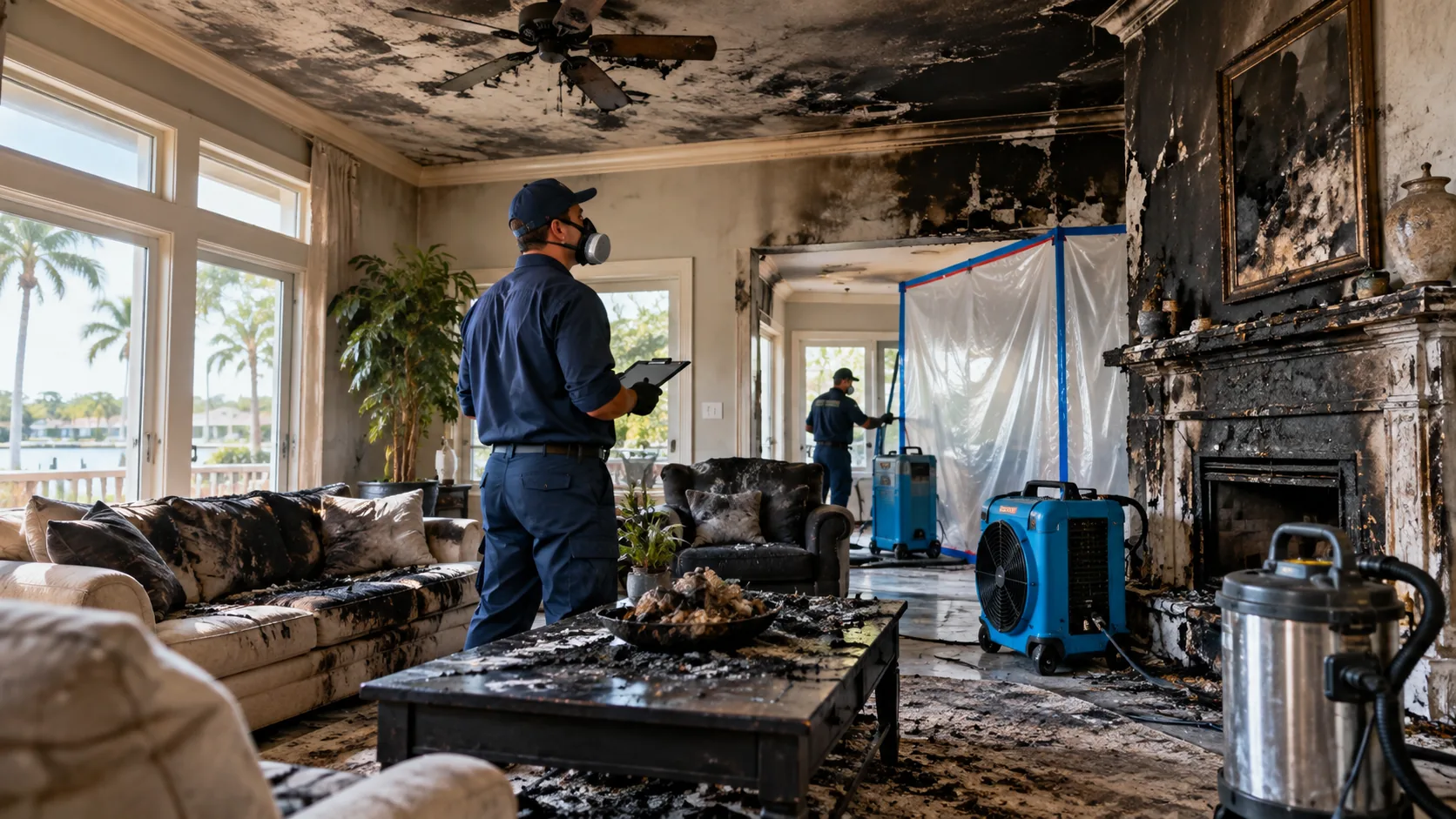
Reconstruction Planning in Florida
Post-mitigation repair planning for properties that need rebuilding or permanent repairs.
Coverage entries describe the service-area directory and do not represent a physical office at every listed ZIP.
Common situations connected to reconstruction planning
This page explains the service in plain language, connects it to related restoration work and provides a path to the city-level service pages where that coverage exists.
Structural Repairs
The response should follow the source, material condition, access and safety considerations.
Drywall And Flooring Repair
The response should follow the source, material condition, access and safety considerations.
Roof Repair Planning
The response should follow the source, material condition, access and safety considerations.
Finish Restoration
The response should follow the source, material condition, access and safety considerations.
Building Systems
The response should follow the source, material condition, access and safety considerations.
Post-Mitigation Reconstruction
The response should follow the source, material condition, access and safety considerations.
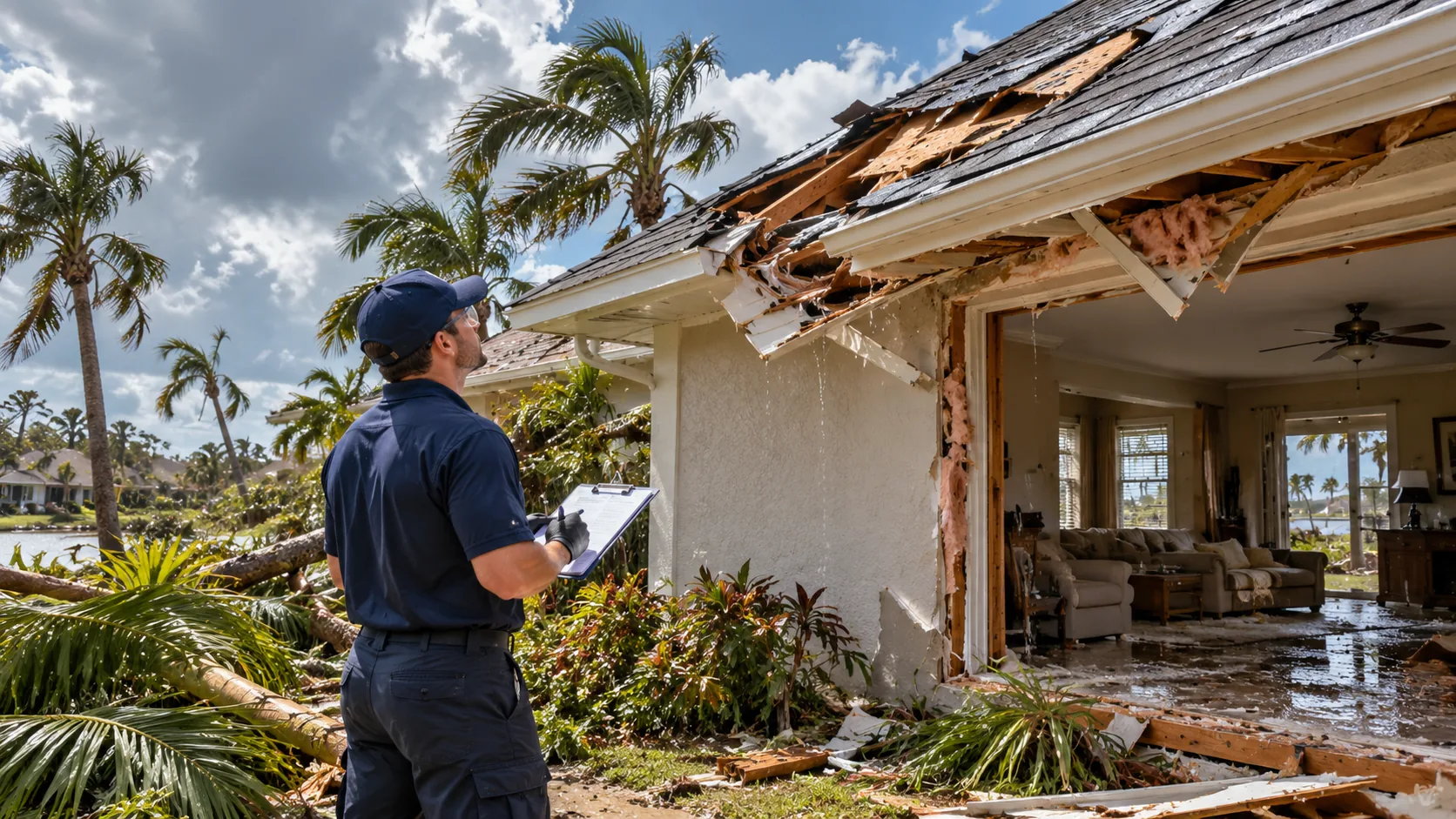
Use the supporting service to solve the actual problem, not just the visible symptom.
Post-mitigation repair planning for properties that need rebuilding or permanent repairs. A useful work plan considers what caused the condition, which materials are affected, what needs to be protected, and what documentation is needed before the next stage.
A practical reconstruction planning workflow
Initial call and scope review
The work scope should be based on verified conditions and the requirements of the property.
Safety and access assessment
The work scope should be based on verified conditions and the requirements of the property.
Service-specific work
The work scope should be based on verified conditions and the requirements of the property.
Documentation and progress checks
The work scope should be based on verified conditions and the requirements of the property.
Related restoration review
The work scope should be based on verified conditions and the requirements of the property.
Next-step planning
The work scope should be based on verified conditions and the requirements of the property.
How reconstruction planning can connect to broader restoration
Water Damage Restoration
Water extraction, cleanup, moisture assessment, structural drying and restoration planning for homes and businesses.
Fire Damage Restoration
Fire, smoke and soot cleanup with property stabilization, contents coordination, odor control and restoration planning.
Storm Damage Restoration
Storm and hurricane damage response for roof intrusion, wind damage, flooding, debris and temporary property protection.
Biohazard Cleanup
Professional biohazard cleanup, containment, decontamination and sanitation for sensitive property situations.
What Affects Reconstruction Planning Cost in Florida?
Reconstruction after restoration in Florida typically runs $5,000 to $100,000+ — it’s construction pricing, driven by square footage, finish level, and code upgrades. Mitigation (drying, cleanup) and reconstruction are separate scopes with separate estimates; don’t let anyone blur them.
Demolition extent
Flood cuts and fire demo define the rebuild footprint. More square feet of removed material = more square feet to rebuild.
Finish level
Builder-grade drywall and carpet vs. custom tile, hardwood, and cabinetry — finishes are the biggest cost lever in reconstruction.
Code upgrades
Florida Building Code may require upgrades during rebuild (electrical, hurricane straps, energy). Code-required work is often claimable — document it as such.
Structural repair
Charred or compromised framing, rotted sill plates, and damaged trusses need carpentry and engineering — beyond cosmetic rebuild cost.
How Reconstruction Planning Works, Step by Step
Reconstruction planning bridges mitigation and rebuild: define exactly what’s being rebuilt, to what standard, at what price — before the first hammer swings.
1. Post-mitigation assessment
After drying/cleanup/remediation is verified complete, the stripped structure is assessed: what stays, what’s repaired, what’s replaced.
2. Scope & specifications
A detailed scope lists every rebuild item — materials, finishes, quantities. Vague scopes produce vague invoices; specificity protects you.
3. Code & permit review
Florida Building Code requirements, permit needs, and HOA approvals are identified upfront — not discovered mid-project.
4. Estimate & claim alignment
The reconstruction estimate is aligned with the insurance scope (Xactimate line items where applicable). Supplements are filed for hidden damage found during demo.
5. Build sequencing
Trades are sequenced — framing, MEP rough-in, insulation, drywall, finishes — with inspections scheduled. The plan prevents the #1 rebuild complaint: the stalled project.
Reconstruction Planning in Florida: Code, Permits & Supplements
Florida reconstruction runs inside the nation’s strictest residential code environment. Post-storm rebuilds trigger current Florida Building Code compliance — wind provisions, flood elevation in flood zones, electrical updates — and permit offices back up after hurricanes, so planning must account for real timelines. Unlicensed contracting spikes after storms; verify every license at the DBPR.
The claim mechanics matter as much as the construction: insurers initially scope visible damage, then supplements cover what demolition reveals. A reconstruction plan built for supplements — documented hidden conditions, line-item estimates, photo evidence — recovers more of the true cost than a plan that hopes the first estimate was enough.
Emergency
Active reconstruction planning in Florida? Call (833) 606-6010 now — fast response limits secondary damage.
Reconstruction Planning questions
When is reconstruction planning needed?
The answer depends on the loss, affected materials and current site conditions. A property-specific assessment is more reliable than a one-size-fits-all checklist.
What does reconstruction planning involve?
Post-mitigation repair planning for properties that need rebuilding or permanent repairs. The exact scope should follow the actual property conditions.
How does reconstruction planning connect to other restoration work?
Supporting services are often connected to a broader loss. For example, water extraction may lead into structural drying, while storm damage may lead into tarping and interior water mitigation.
What’s the difference between mitigation and reconstruction?
Mitigation stops the damage and stabilizes the property: extraction, drying, cleanup, remediation. Reconstruction rebuilds what was removed or destroyed: framing, drywall, flooring, finishes. Separate scopes, separate estimates, sequential phases.
How long does reconstruction take in Florida?
Single-room rebuilds: 2–4 weeks. Multi-room: 6–12 weeks. Whole-house post-fire/hurricane: 3–9 months. Permit backlogs after major storms extend timelines — plan for it.
Will insurance pay for code upgrades?
Often yes — many policies include ordinance-or-law coverage for code-required upgrades triggered by the rebuild. Document code requirements with the permit office and claim them explicitly.
What is a supplement?
An additional claim filing for damage discovered after the initial adjuster scope — extremely common once demolition exposes hidden conditions. Good documentation makes supplements routine instead of adversarial.
Should the same company do mitigation and reconstruction?
It can streamline the project, but keep the scopes and estimates separate regardless. Separate line items for mitigation vs. rebuild protect you at claim time.
Related Restoration Services
Damage rarely involves just one trade. These services commonly connect to reconstruction planning projects.