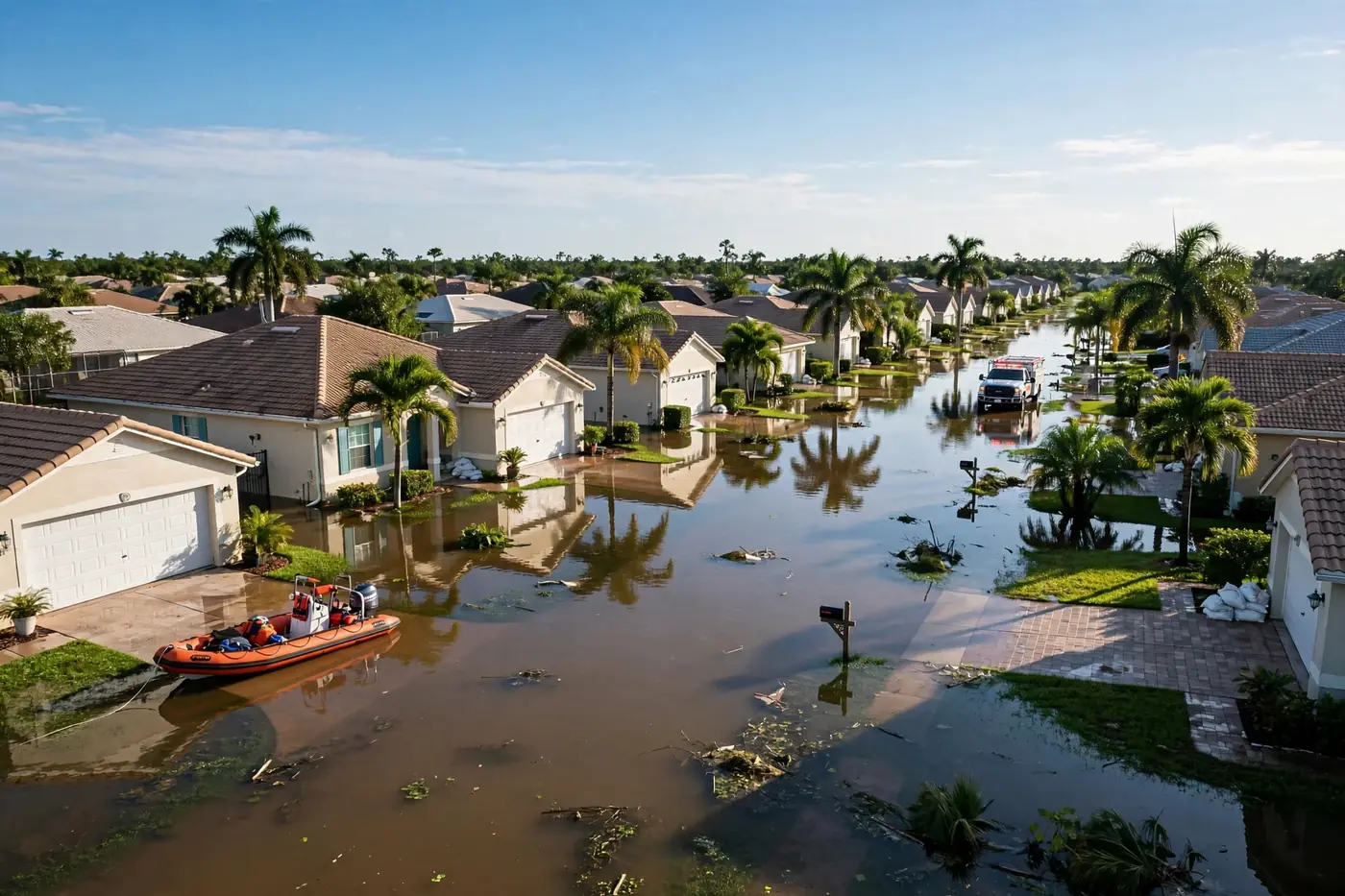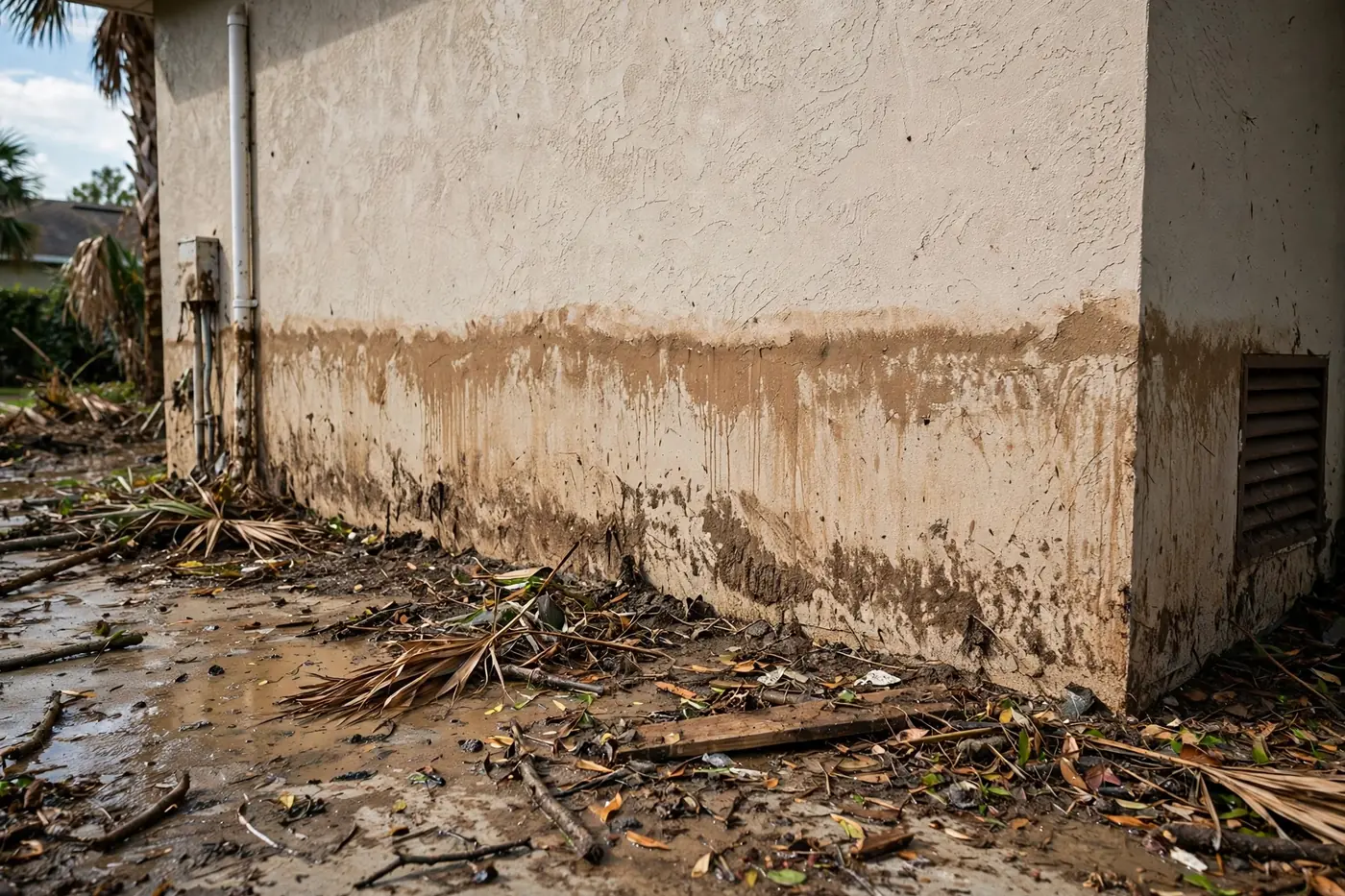
✓
Safety & access
Part of the flood damage restoration in florida workflow, handled in a safety-first sequence.
Water-loss response for properties affected by flooding and heavy water intrusion.
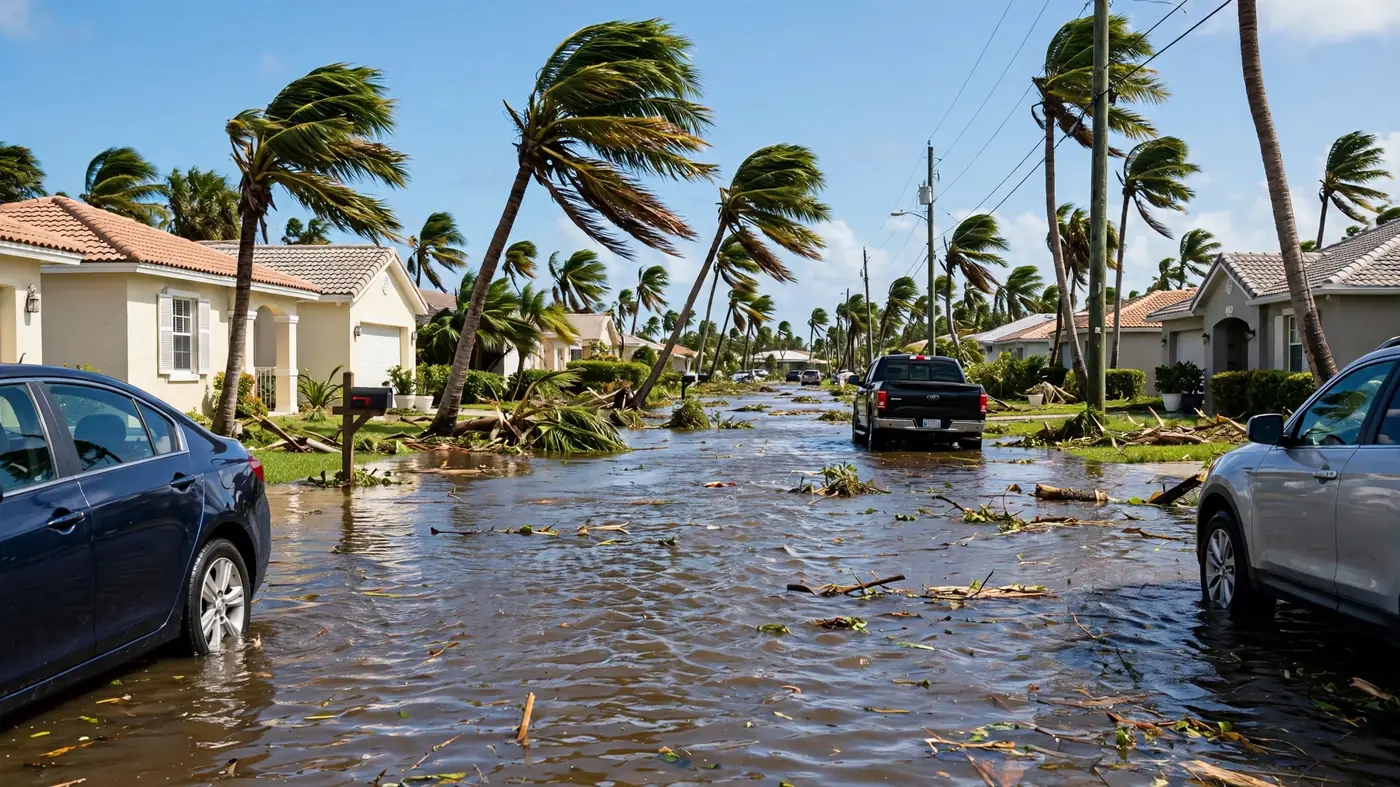
Water-loss response depends on the source, duration, affected materials and safe access to the property.
Part of the flood damage restoration in florida workflow, handled in a safety-first sequence.
Part of the flood damage restoration in florida workflow, handled in a safety-first sequence.
Part of the flood damage restoration in florida workflow, handled in a safety-first sequence.
Part of the flood damage restoration in florida workflow, handled in a safety-first sequence.
Protect people first, avoid unsafe electrical conditions, document the visible loss and seek appropriate restoration support.
Keep people away from dangerous areas and call 911 for immediate hazards.
Stop the water source only when doing so can be done safely.
Photograph visible damage and record the time, source and affected areas.
Move toward water removal, drying and moisture monitoring as soon as appropriate.
Coordinated assessment, extraction, drying and cleanup after a water loss.
View pageRapid response pathways for active or spreading water damage.
View pageStanding-water removal and immediate moisture control.
View pageEquipment-based drying and moisture monitoring for affected materials.
View pageRemoval of unwanted water from accessible residential and commercial spaces.
View pageEvery professional flood guide starts with the same warning: assume floodwater is contaminated. Water that has crossed streets, yards, storm drains, or septic systems picks up sewage, bacteria, chemicals, fuel, and debris along the way. The IICRC classifies this as Category 3 black water, the highest contamination level, regardless of how clear it looks.
The health risks are real. Floodwater can carry E. coli, Salmonella, Hepatitis A, and tetanus-causing bacteria, along with sharp debris hidden below the surface. That is why professional crews work in full protective equipment, why porous materials like carpet, pad, drywall, and insulation are removed rather than cleaned, and why thorough disinfection with EPA-registered products is a required step, not an upgrade. Our sewage backup cleanup safety guide covers the same protective principles.
The financial stakes match the health stakes. FEMA estimates that just one inch of water in a home can cause around $25,000 in damage, and only about 1 in 67 insured homes files a water claim each year, which means most homeowners are unprepared. If floodwater entered your home, treat it as hazardous: keep people and pets out, do not attempt cleanup without protection, and call for professional contaminated water cleanup. Review the Florida storm and flood guide for storm-specific preparation. Skyfold dispatches 24/7 across Florida at (833) 606-6010.
If water is entering your home right now, work through these steps in order. Your safety comes before your property in every case.
After the water recedes, prevention work reduces the next event. Clean gutters and downspouts, grade soil away from the foundation, test sump pumps before hurricane season, seal foundation cracks, and consider a backwater valve to stop sewage from entering through drains during heavy rain. Our hurricane season preparation guide and emergency checklist walk through seasonal readiness step by step.
Call the existing Skyfold Restoration number or submit the request form with the property address and what happened.