Storm Water Intrusion in Florida
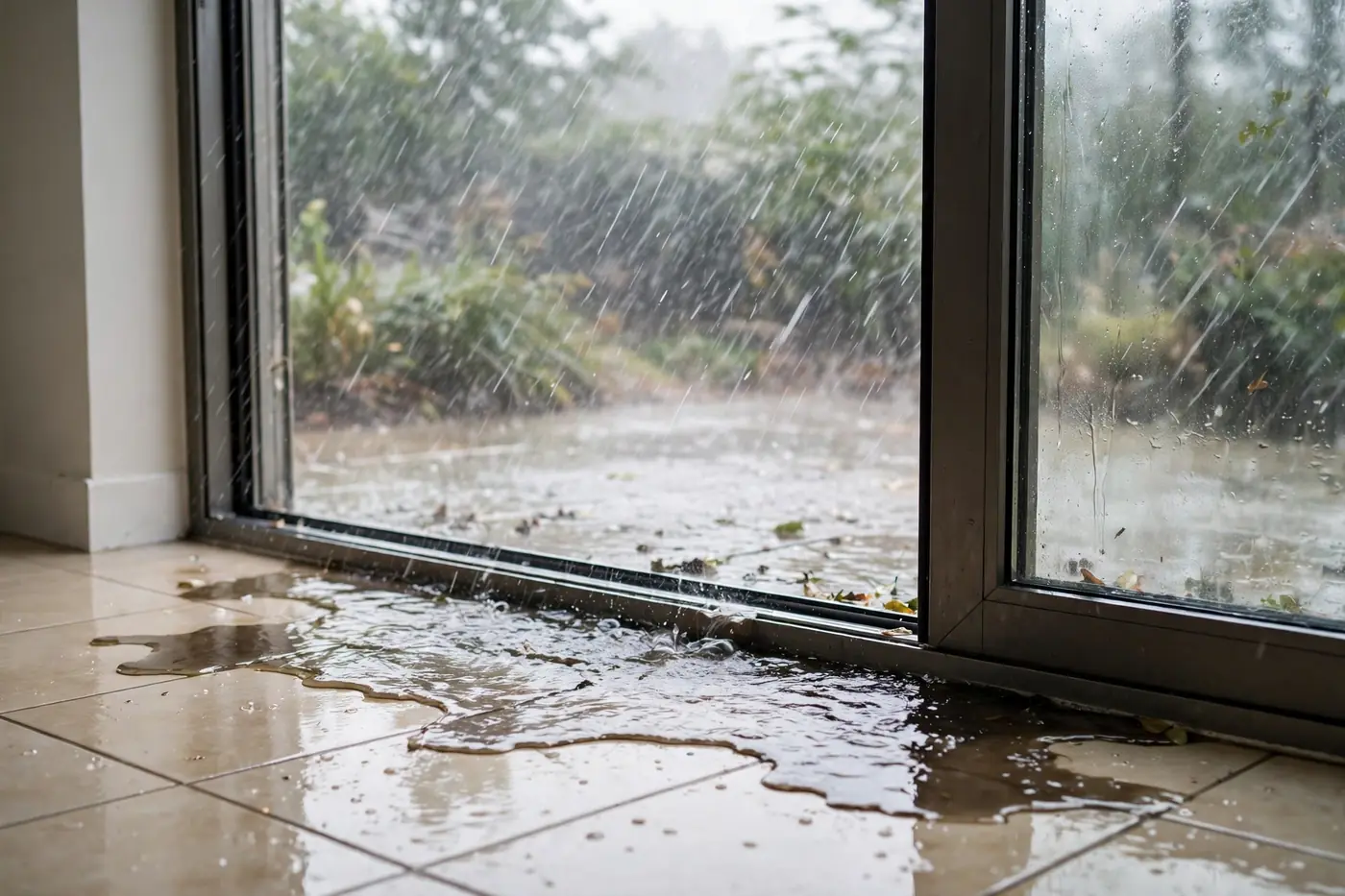
Storm water intrusion in Florida happens when wind-driven rain forces its way through roofs, windows, doors, and walls during tropical storms, hurricanes, and intense thunderstorms. Unlike rising floodwater, intrusion comes from above and sideways, exploiting every weakness in the building envelope. This guide explains how it happens and how to respond.
Fast Answer
Storm water intrusion is wind-driven rain entering through roofs, windows, doors, and walls during Florida storms. During the storm, stay safe and do not go outside or onto the roof. Afterward, document all water entry points with photos, contain interior drips, tarp damaged roofing only if safe, and call a roofer plus a water damage professional. Intrusion often soaks insulation and wall cavities that need professional drying.
How Storm Water Gets Inside Florida Buildings
Wind turns ordinary rain into a pressurized attack on every opening.
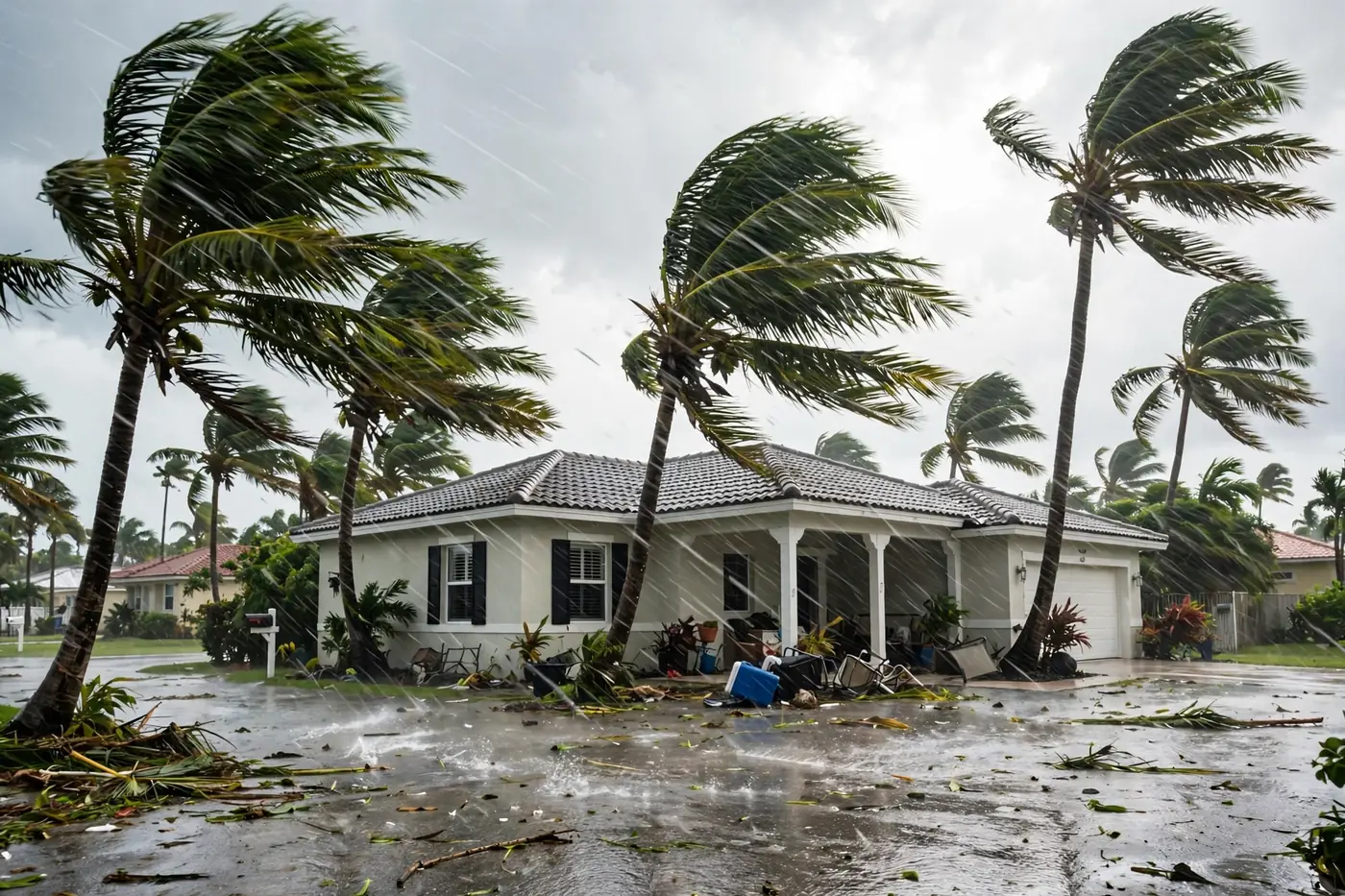
Normal rainfall falls mostly downward, and buildings shed it easily. Storm winds change the physics entirely, driving rain horizontally and even upward into places gravity-fed rain never reaches. In Florida, where tropical systems routinely bring sustained winds of 40 to 100-plus miles per hour, this wind-driven rain is the primary intrusion mechanism. It exploits vulnerabilities that are completely invisible in calm weather.
Roofs take the heaviest assault. Wind lifts shingles and tiles, especially along ridges, edges, and anywhere the fastening has weakened with age and heat. Once the outer layer is compromised, rain drives under it and into the attic. But intrusion does not require missing shingles: wind can force water up under intact shingles, through ridge vents, around poorly sealed flashing, and through soffit vents into the attic. Tile roofs can channel wind-driven rain beneath slipped or cracked tiles to the underlayment, which may itself be aged and permeable.
Windows and doors are the next most common entry points. Driving rain overwhelms weatherstripping and weep systems, pushing water through sliding door tracks, around window frames, and under entry doors. High-rise and coastal buildings in South Florida and Southwest Florida face the most extreme wind pressures. Walls themselves can admit water through cracks in stucco, failed sealant around penetrations, and wind-driven rain soaking through porous materials. Even well-built structures can experience some intrusion in a major hurricane, which is why post-storm inspection matters regardless of visible damage.
It is important to distinguish intrusion from flooding. Intrusion is rain entering from above or sideways through the building envelope, while flooding is water rising from the ground. A property can suffer one, the other, or both in the same storm, and the distinction matters for insurance, since different policy provisions often apply. See flooded property for the rising-water scenario and roof leak water damage for non-storm roof leaks.
What to Do During the Storm
Safety first. Property protection second.
- Stay inside and away from windows. Do not go outside to check damage, place tarps, or clear drains during high winds. Flying debris kills.
- Contain interior water as you safely can. Place buckets under active drips, move valuables away from leak paths, and lay towels along water entry at doors. Do this without entering unsafe areas.
- Do not climb onto the roof. Wet, wind-damaged roofs are extremely dangerous. No temporary fix is worth a fall.
- Monitor for new entry points. Note which rooms and walls are affected and whether intrusion worsens with wind direction changes. These notes help professionals later.
- If water threatens electrical systems, shut off breakers. Only if you can do so safely and without wading through water.
- Call 911 for life-threatening emergencies. Structural collapse, fire, or medical emergencies take absolute priority over property.
After the Storm: Assessment and Response
The storm passes. The water damage clock starts.
- Wait until authorities say it is safe. Downed power lines, flooding, and unstable structures make premature venturing dangerous.
- Document everything before cleanup. Photograph every water entry point, stain, damaged belonging, and exterior damage. Capture wide shots and close-ups, and note the storm name and date. Thorough insurance documentation is especially important for storm claims, which insurers scrutinize closely.
- Inspect the building envelope systematically. Check the roof from the ground with binoculars, walk the interior for new stains and dampness, inspect the attic for wet insulation and decking, and check windows, doors, and walls for entry points. Assume hidden moisture in wall cavities and insulation wherever intrusion occurred.
- Tarp damaged areas if safe. Cover roof breaches and broken windows with secured tarps to prevent the next rain from adding damage. If conditions are unsafe, hire professionals for emergency tarping.
- Begin interior water removal and drying. Extract standing water, remove soaked porous materials, and start aggressive drying. Storm intrusion often wets insulation and wall cavities that look fine from the room side. Professional water extraction and structural drying with moisture meters address what you cannot see.
- Call the right professionals. Roofers for the envelope, glaziers for windows, and restoration professionals for interior water damage. These are separate trades addressing separate damage.
| Entry point | Typical storm damage | Who repairs it |
|---|---|---|
| Roof | Lifted shingles, breached flashing, tile damage | Licensed roofing contractor |
| Windows and sliding doors | Failed seals, track overflow, broken glass | Window or glazing contractor |
| Walls and stucco | Cracks, failed sealant, penetration leaks | Stucco or general contractor |
| Interior water damage | Wet insulation, drywall, flooring | Water damage restoration professional |
Preparing Florida Buildings Against Intrusion
You cannot stop a hurricane, but you can harden the envelope.
- Maintain the roof proactively. Twice-yearly inspections, prompt shingle and tile repairs, and maintained flashing and sealant are the foundation of intrusion defense.
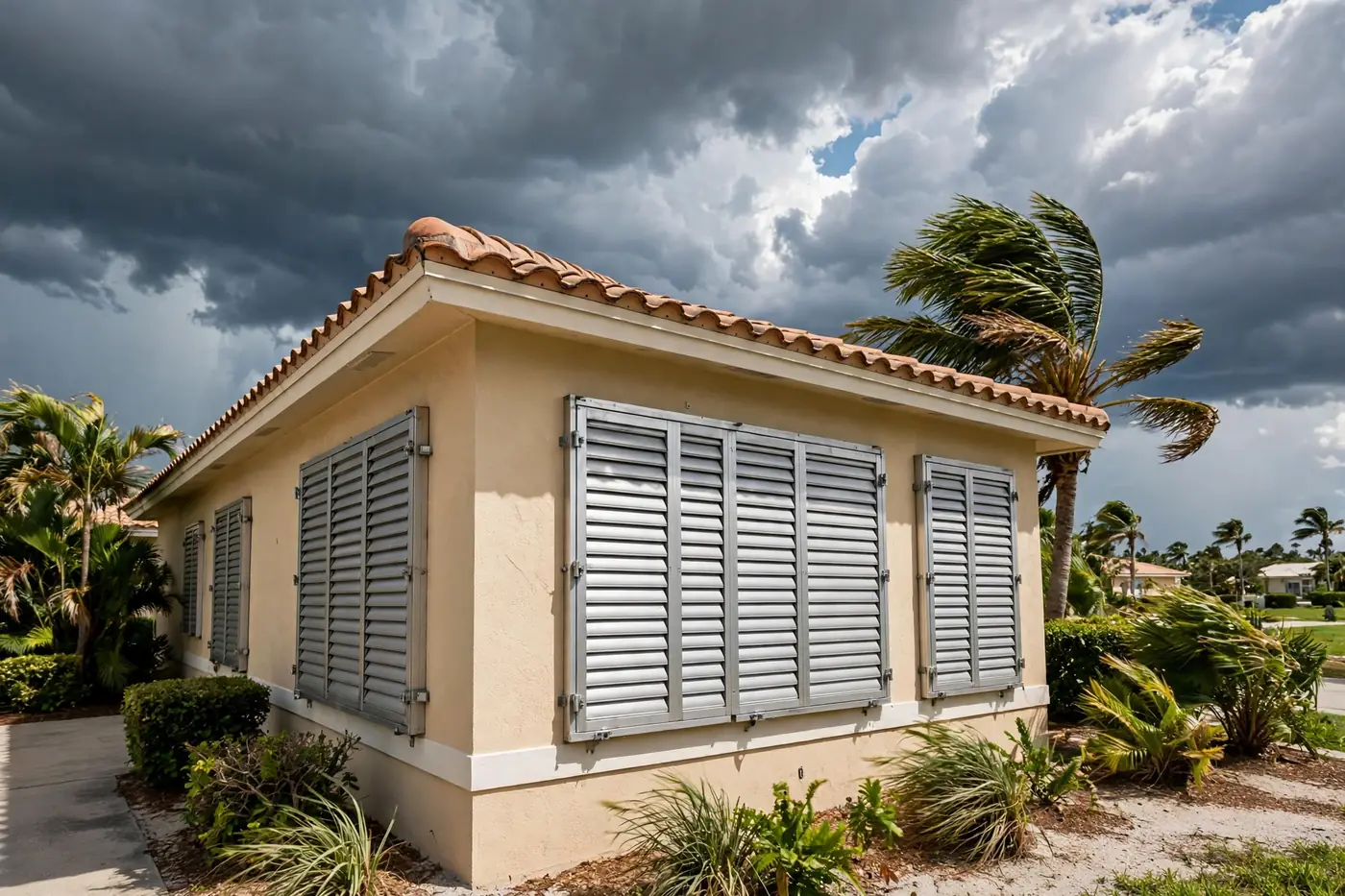
- Install hurricane-rated windows and doors or shutters. Impact protection prevents the breach that lets wind-driven rain pour in. This is among the highest-value hardening investments for Florida homes.
- Seal the envelope. Caulk and seal around windows, doors, vents, and penetrations. Maintain stucco and address cracks promptly.
- Keep drainage clear. Clean gutters, verify downspouts direct water away, and ensure yard grading slopes away from the foundation. Overwhelmed drainage turns rain into intrusion.
- Know your vulnerabilities. Older buildings, flat roofs, and structures with prior patch repairs deserve extra pre-season attention. A professional wind-mitigation inspection identifies weak points and may reduce insurance premiums.
- Prepare an emergency kit and plan. Beyond the building, have a family communication plan, supplies, and important documents protected. Property hardening and personal preparedness go together.
- Trim trees and secure outdoor items. Overhanging branches become projectiles in high winds and can puncture roofs or break windows. Before storm season, trim large limbs near the house and have a plan for securing patio furniture, grills, and anything else wind can throw against walls and windows.
- Photograph your property before storm season. Dated photos of your roof, windows, and exterior create a baseline that makes post-storm damage obvious and supports insurance claims. Store copies off-site or in the cloud.
For the full seasonal picture, review our emergency response guide and water damage help resources.
Common Questions
Intrusion is wind-driven rain entering through the roof, windows, doors, or walls from above or sideways. Flooding is water rising from the ground into the building. A single storm can cause both, and insurance often treats them under different provisions.
Yes, or have it inspected. Wind-driven rain exploits vulnerabilities invisible in normal weather, and small breaches admit water with every subsequent storm. Early detection prevents a minor breach from becoming major interior damage and mold.
Yes. Extreme wind pressure can force water through weatherstripping, weep systems, and tiny gaps in otherwise intact windows and sliding doors. This is normal in severe storms and does not necessarily mean the windows are defective, though failed seals worsen it.
As fast as possible. Florida's heat and humidity mean mold can begin within 24 to 48 hours on wet materials. Begin water removal and drying immediately after it is safe, and use professional structural drying for soaked insulation and wall cavities.
Wind-driven rain entering through storm-created openings is often covered under the windstorm portion of homeowners policies, subject to deductibles including Florida's separate hurricane deductibles. Document the storm, the damage, and all repairs carefully, and review your policy terms.
Usually yes, for different work. The roofer repairs the building envelope to stop intrusion. The restoration professional removes interior water, dries the structure, and repairs damaged interiors. One does not substitute for the other.
Related Water Damage Help
Storm issues connect to: roof leak water damage for the most common intrusion path, flooded property for rising-water flooding, and mold growth for the aftermath of delayed drying. For services, see emergency water damage restoration, structural drying, and the restoration process.
Need Help With Storm Water Intrusion?
Call now for water extraction, drying, and restoration anywhere in Florida.