Toilet Overflow Water Damage in Florida
Toilet overflow water damage in Florida ranges from a clean-water nuisance to a hazardous sewage event, depending on what caused the overflow. A clogged toilet that spills clean tank water is very different from a backup pushing wastewater up through the bowl. This guide helps you tell the difference and respond correctly.
Fast Answer
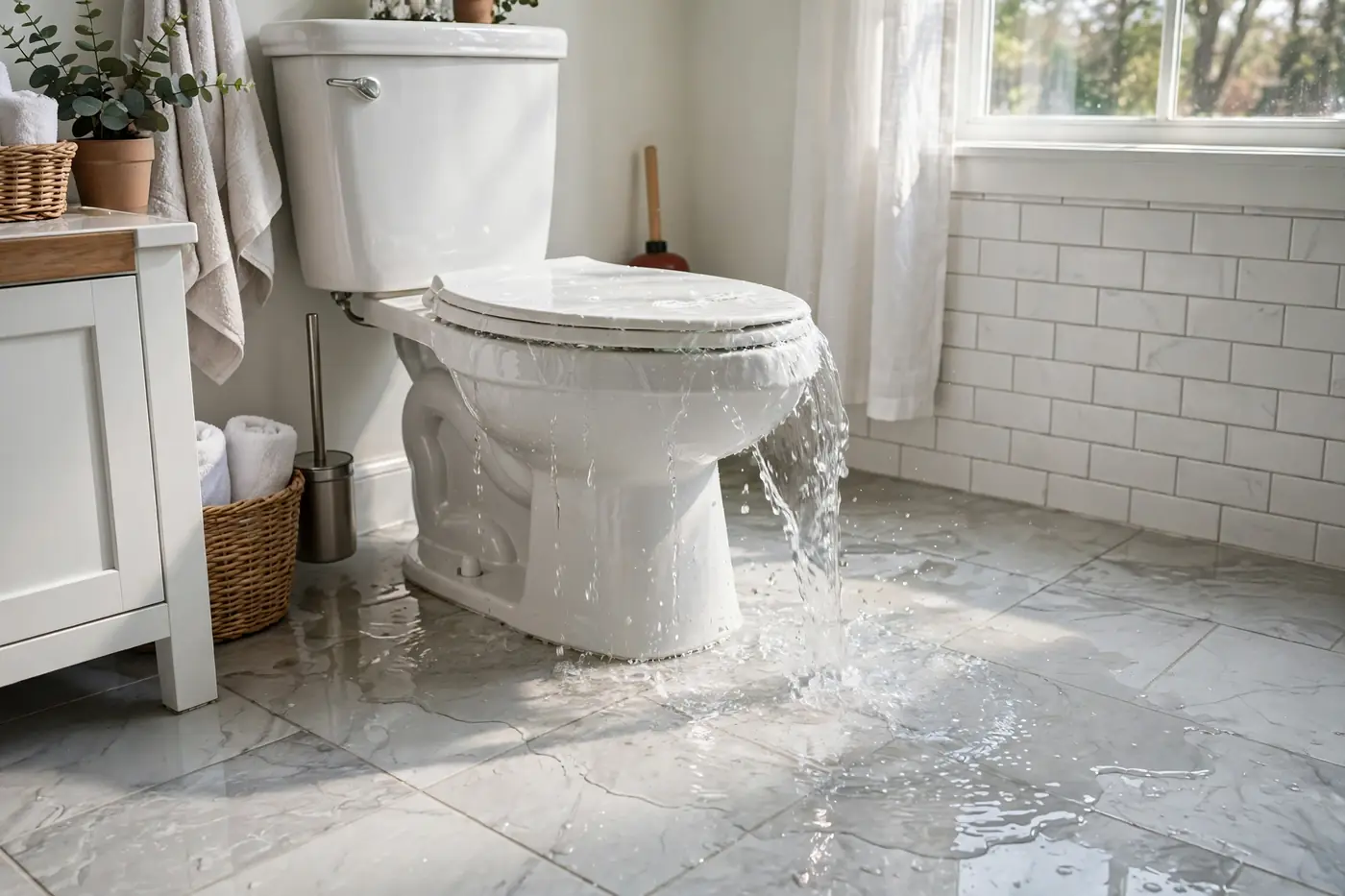
If a toilet overflows, stop the water by lifting the float or turning the shutoff valve behind the toilet, and do not flush again. If the water looks or smells like sewage, treat it as hazardous: keep everyone away and call professionals. Clean-water overflows from a simple clog can often be mopped up and disinfected by the homeowner, but any overflow that reaches subflooring, walls, or multiple rooms needs professional drying.
Why Toilets Overflow
The cause determines whether you are dealing with a nuisance or a hazard.
The most common cause is a simple clog in the toilet trap or the first few feet of drain line. Too much paper, non-flushable items like wipes or feminine products, or a partial blockage from mineral buildup in Florida's hard water areas can all restrict flow until the bowl overfills. These overflows typically involve relatively clean water from the tank and bowl, especially if the clog is caught on the first flush.
A more serious cause is a blockage deeper in the drain system. When the main sewer line is partially blocked by roots, grease, or scale, flushing can push wastewater back up through the lowest fixtures, and toilets are often the first to show it. This water is contaminated and must be treated as sewage. In Florida, where heavy rains can surcharge municipal systems or saturate septic fields, overflows that coincide with storms often have this deeper cause. See sewage backup for the full picture.
Mechanical failures cause a third category. A fill valve that sticks open keeps water flowing into the tank and bowl continuously, eventually overflowing clean supply water. A faulty flapper or a misadjusted float can do the same, and these failures often happen silently over hours while nobody is home. Septic system problems, full tanks or failed drain fields, cause toilets to back up when the system cannot accept more water, a common issue in Florida's high-water-table areas during the rainy season.
The practical distinction that matters: clean-water overflow from a fresh clog or fill-valve failure versus contaminated overflow involving wastewater, odors, or recurring backups. Your response should match the category. When in doubt, assume contamination.
What to Do When a Toilet Overflows
Stop the water first. Assess second. Clean third.
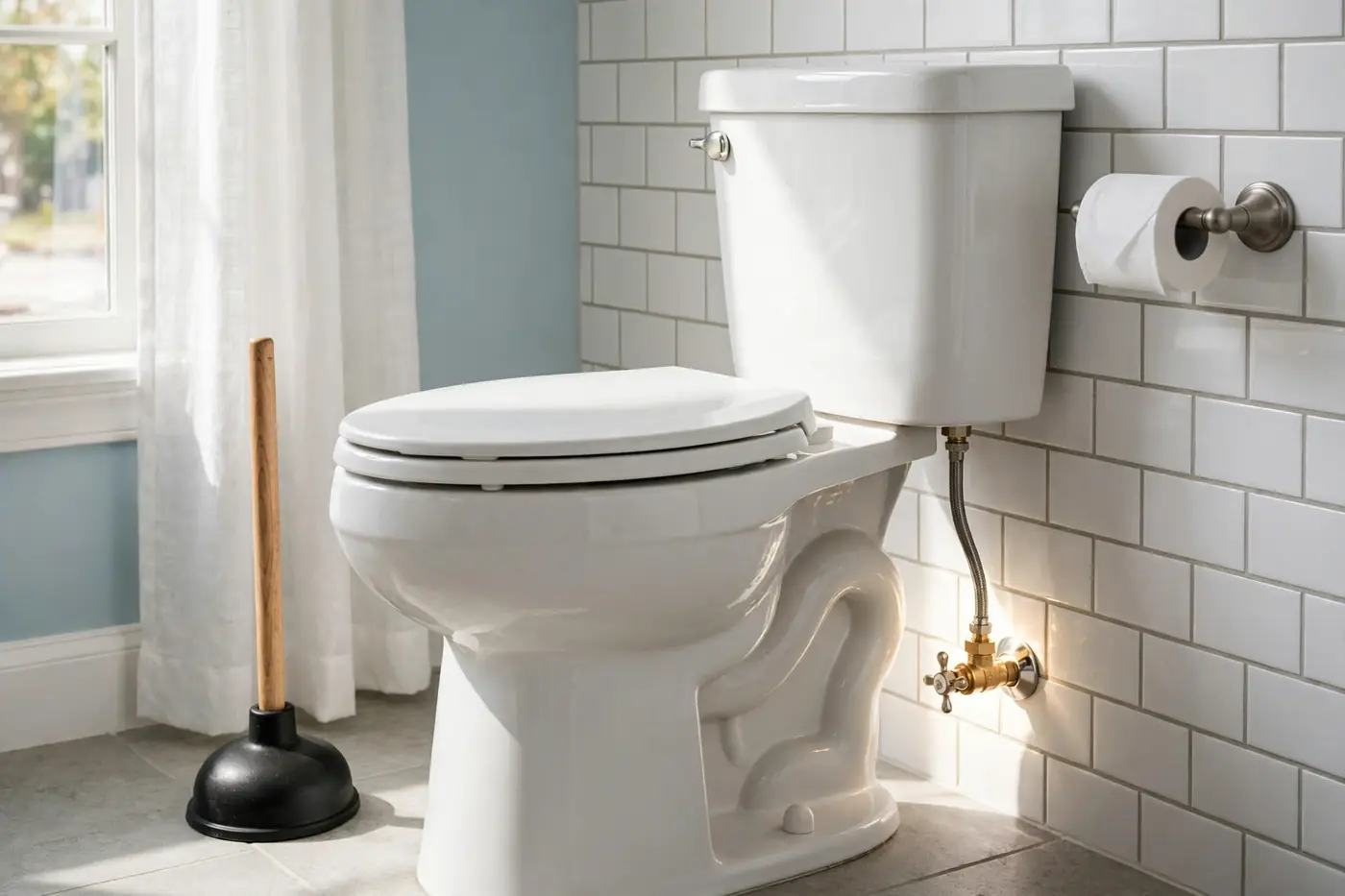
- Stop the water flow. Remove the tank lid and lift the float ball or cup to stop filling, or turn the shutoff valve behind the toilet clockwise. Do not flush again to test it.
- Assess the water. Clear water from a fresh clog is a cleaning job. Water with waste, strong odor, or dark discoloration is a contamination job. Recurring overflows or simultaneous problems at other fixtures point to a main-line issue.
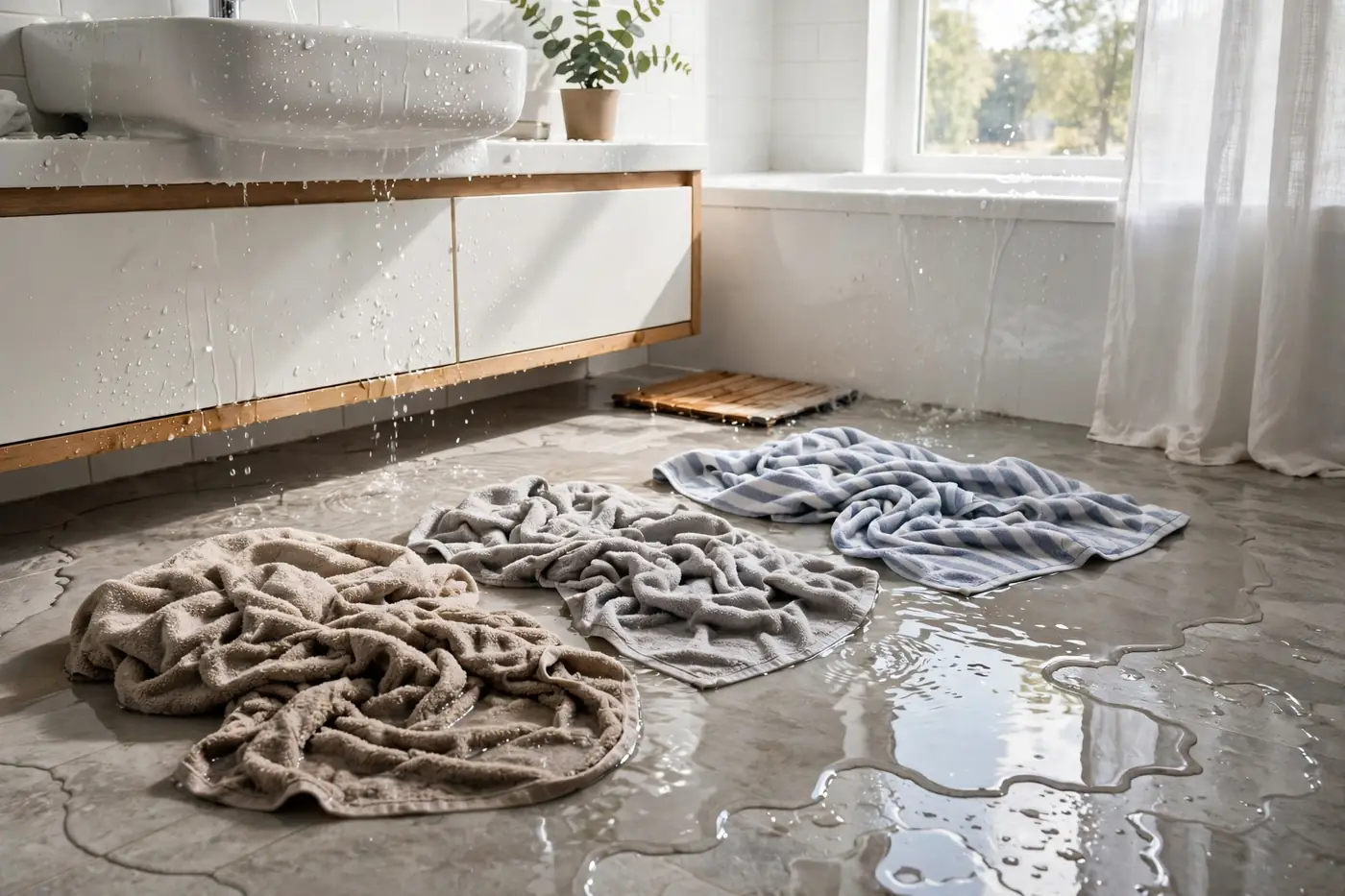
- Protect the area. Lay towels to contain clean water. For contaminated water, keep everyone, especially children and pets, away, and wear gloves and boots if you must enter.
- Address the clog if it is simple and clean. A plunger, used with steady pressure rather than violent force, clears many trap clogs. If plunging fails after several attempts, stop, since aggressive plunging can worsen some blockages or splash contamination.
- Call a plumber for anything beyond a simple clog. Recurring clogs, suspected main-line blockages, fill-valve failures you cannot fix, and any sewage involvement all warrant professional help.
- Clean and disinfect. For clean-water overflows, mop up, clean hard floors with detergent, disinfect, and dry thoroughly. For contaminated overflows, professional sewage cleanup is the safe standard.
- Dry the structure. Water that reached subflooring, baseboards, or wall cavities needs more than surface mopping. In Florida humidity, trapped moisture grows mold within days. Professional structural drying with moisture verification prevents that outcome.
Assessing Water Damage From a Toilet Overflow
The visible puddle is rarely the whole story.
Clean-water overflows that are caught quickly and limited to tile flooring often cause minimal lasting damage: mop, disinfect, dry, and monitor. The risk rises with volume, duration, and penetration. Water that flows under baseboards wicks into drywall. Water that reaches carpet or padding soaks it through. Water that flows to lower floors or into wall cavities creates hidden moisture that surface cleaning cannot reach.
Contaminated overflows change the calculus entirely. Porous materials contacted by sewage, including carpet, padding, drywall, and insulation, generally must be removed rather than cleaned. This is the health-protective standard, not overcaution. Hard surfaces require professional-grade disinfection, not just household cleaners. Bacteria and pathogens in sewage can persist on surfaces that look clean, which is why professional sewage cleanup follows strict protocols for containment, removal, and sanitization rather than relying on visual cleanliness alone.
| Situation | Typical response |
|---|---|
| Small clean-water overflow on tile, caught immediately | Homeowner cleanup: mop, disinfect, dry |
| Clean water reaching carpet, baseboards, or walls | Professional drying assessment recommended |
| Any sewage-contaminated overflow | Professional sewage cleanup |
| Recurring overflows or multi-fixture backup | Plumber for the line plus restoration for damage |
| Water reaching lower floors or wall cavities | Professional water damage restoration |
Document everything with photos before cleanup, including the water extent and any damaged belongings, to support insurance documentation if you file a claim. Note the time you discovered the overflow, what you believe caused it, and every step you took. This timeline helps both your plumber diagnose the problem and your insurer evaluate the claim. Keep all receipts for cleanup supplies, plumber visits, and any restoration work alongside these photos.
Preventing Toilet Overflows
Most overflows are preventable with habits and basic maintenance.
- Flush only toilet paper. Wipes, even those labeled flushable, paper towels, feminine products, and cotton products belong in the trash. They are the leading cause of toilet clogs.
- Teach children what not to flush. Toys and excessive paper are classic kid-caused clogs. A small trash can beside the toilet helps.
- Maintain the fill valve and flapper. Replace aging fill valves and flappers every few years. A sticking fill valve can overflow a toilet with clean water while no one is watching.
- Know where the shutoff is. Every household member should know the valve behind the toilet. A quick shutoff turns a flood into a puddle.
- Address slow flushing promptly. A toilet that flushes weakly or needs double flushing has a developing restriction. Clear it before it becomes an overflow.
- Maintain septic systems. Pump the tank on schedule, every three to five years for most Florida households, to prevent backups from a full system.
- Consider a water backup endorsement. Standard policies often exclude sewer and drain backup. The endorsement is inexpensive and valuable in Florida. See sewage backup for details.
Common Questions
It depends on the source. Clean water from a fresh clog or fill-valve failure is a cleaning job. Water containing waste, or any backup from the sewer line, is hazardous contaminated water. When in doubt, treat it as contaminated and keep everyone away.
Small, clean-water overflows on hard flooring are often fine to handle yourself with thorough cleaning, disinfecting, and drying. Contaminated overflows, or water that reached subflooring, walls, or carpet, need professional cleanup and drying.
Recurring clogs suggest a deeper problem: a partial main-line blockage, root intrusion, scale buildup, or a venting issue. A plumber's camera inspection of the line identifies the real cause. Do not keep plunging a toilet that repeatedly overflows.
Sudden overflows are often covered, while damage from sewer or drain backup typically requires a separate water backup endorsement. Document the incident thoroughly and check your policy terms before assuming coverage.
Remove the tank lid and lift the float to stop the fill, or turn the shutoff valve behind the toilet clockwise. Do not flush again. These two actions stop clean-water overflows in seconds.
It can, especially if backups coincide with heavy water use or rainy periods and the tank has not been pumped in years. A septic professional can check tank levels and drain field function. Regular pumping every three to five years prevents most septic-related backups.
Related Water Damage Help
Toilet issues connect to: sewage backup for main-line contamination, burst pipe water damage for supply-line flooding, and flooded property for larger-scale events. For recovery, see water extraction, structural drying, and what to do when you find water damage.
Need Help With Toilet Overflow Water Damage?
Call now for cleanup, drying, and restoration anywhere in Florida.